Chicago After Dark – Part 7: The Birth of House Music
May 05, 2026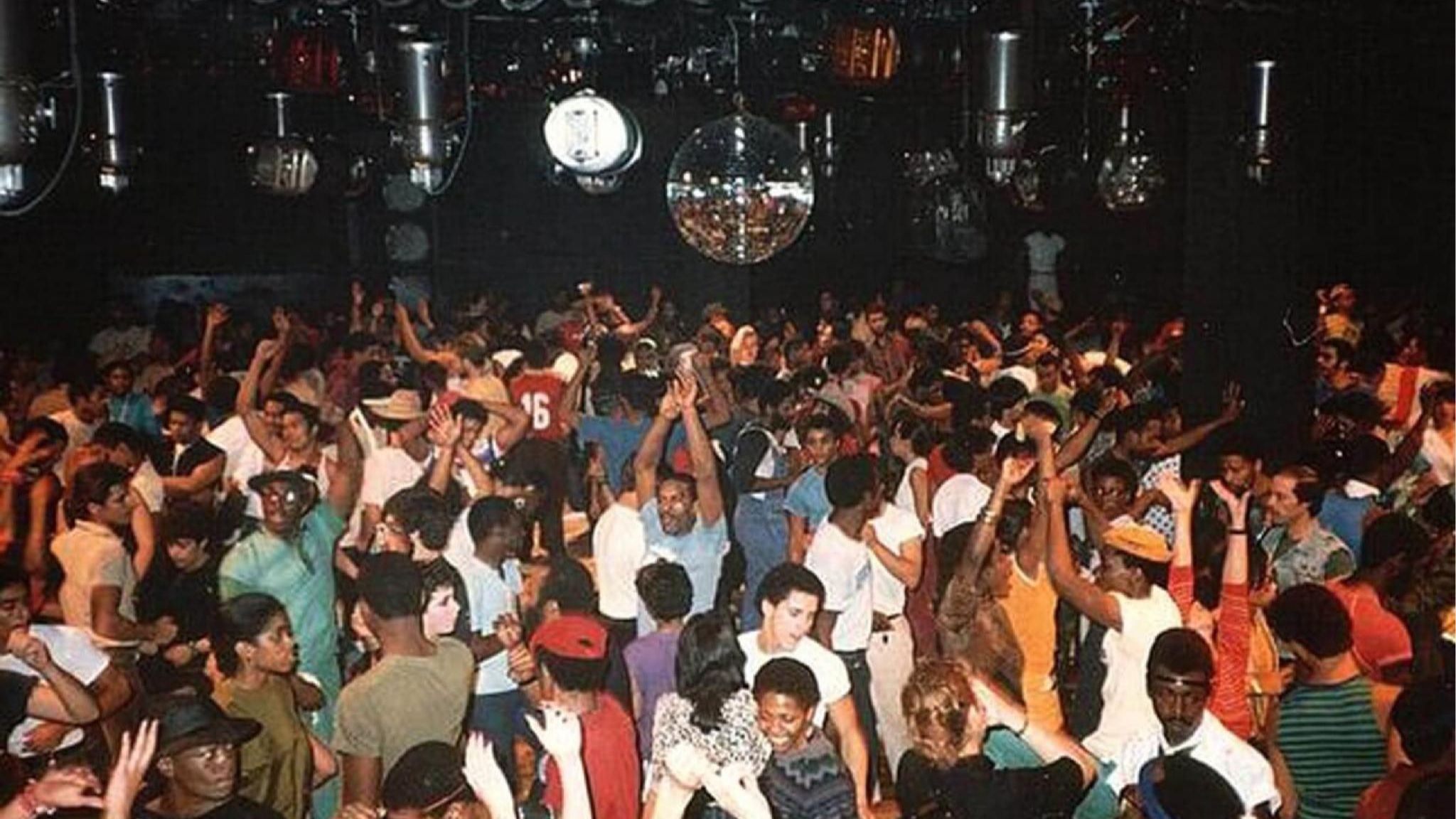
How a Sound Born on the South Side Changed Dance Floors All Over the Planet
The last time we left this story, it was the late 1970s and early 1980s, and something was shifting. The great Nightclub Circuit of the South Side — the supper clubs, the show lounges, the neighborhood rooms that had defined Black Chicago's nightlife for decades — was beginning to change. The middle class was moving south to the suburbs. The steel mills were cutting hours. The economic ground was unsteady underfoot.
But the music never stopped. And in a converted factory building on the near West Side of Chicago, something brand new was already being born.
It started with a DJ named Frankie Knuckles. And it ended up everywhere.
The Room That Started It All
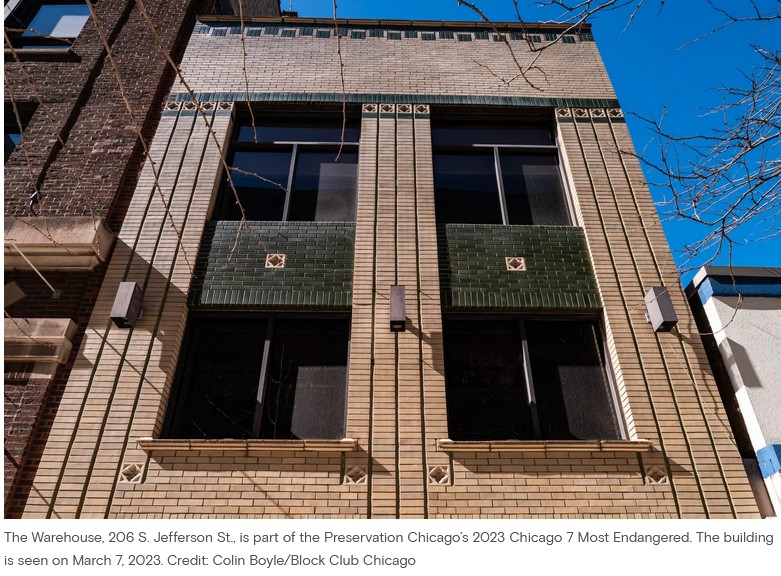
The Warehouse was not on the South Side. Let's be clear about that. It sat at 206 South Jefferson Street in Chicago's West Loop — a three-story former factory building, spare and industrial, not glamorous by anyone's definition. But what happened inside that building between 1977 and 1982 is the reason Chicago's name is permanently etched into the history of popular music.
The club was founded by Robert "Robbie" Williams, who had deep roots in both the New York and Chicago party scenes. Williams wanted to bring the energy of New York's legendary underground loft parties to Chicago — the kind of experience where people came not to be seen, but to dance. Truly, freely, without judgment, without a velvet rope in sight. He found a community of Black and Latino Chicagoans, many of them gay, who were hungry for exactly that.
Williams initially reached out to a young DJ named Larry Levan to run the music. Levan was already building something extraordinary in New York — what would become the legendary Paradise Garage — and he passed on Chicago. But he had a friend. A fellow New Yorker who had grown up in the Bronx, learned the craft at the Continental Baths alongside Levan, and who was ready for something new.
That friend was Francis Warren Nicholls Jr. The world would come to know him as Frankie Knuckles.
Frankie Knuckles Arrives
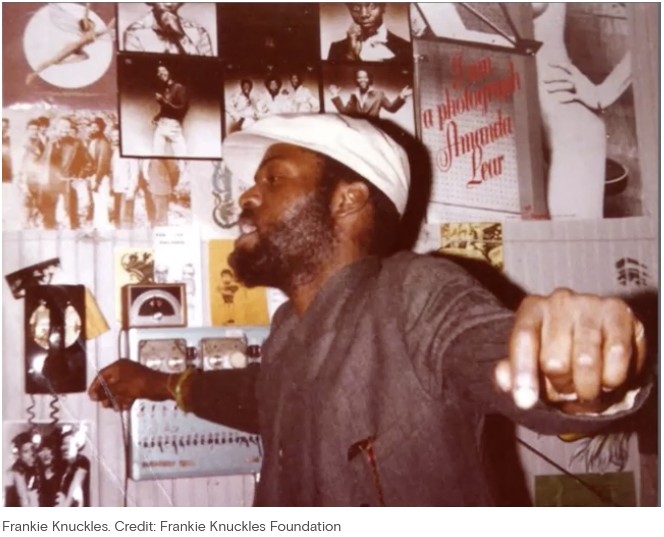
Knuckles came to Chicago in 1977. He was twenty-two years old. He showed up to the Warehouse's grand opening and played for a modest crowd, blending the Salsoul records and Philadelphia soul he'd been spinning in New York with whatever he could find to keep the floor moving. The Warehouse didn't pull big crowds at first. But Knuckles was patient, and he was building something.
What he was doing behind those turntables was genuinely new. He had two turntables and a reel-to-reel tape machine, and he used all of it. He took disco records — the Philly soul, the Salsoul catalog, the lush orchestral tracks of the late 1970s — and he extended them, restructured them, layered drum machine beats underneath them to give them a pulse the original records didn't have. He blended in European electronic music — Kraftwerk's mechanical rhythms, Italo disco's synthesizer textures — things that Chicago hadn't heard before. He would reconstruct a song on the fly, finding the part that made the floor move and holding them there for as long as he wanted.
He once described his process this way: he had to reconstruct the records to work for his dance floor, because the music he wanted to play was running out, and the floor needed to keep moving. So he made the music himself, out of what he had, in real time.
The crowd felt it. And word spread.
The Warehouse opened its doors at midnight Saturday and didn't close until noon or later the following day. People danced for twelve, fourteen hours straight. Knuckles once described the room as feeling like church — a place where people who had been told they didn't belong anywhere else could come and completely let go. "It's nice to be able to go someplace," he said, "where you feel like you're in your bedroom and nobody's watching. You're dancing like nobody's watching you."
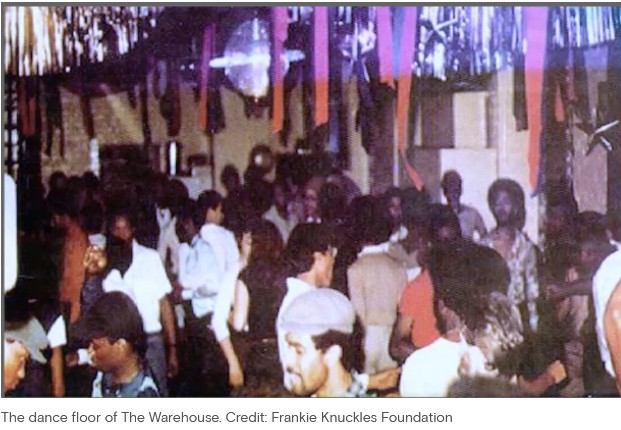
The crowd grew. The Warehouse became one of the most important rooms in Chicago.
And then someone walked into a record store and asked for that music. The music they played at the Warehouse. That House music.
The name stuck.
The Sound Gets a Name — And a Record
By the early 1980s, the music Frankie Knuckles was making at the Warehouse was circulating through Chicago's club culture like a current. Young South Side DJs were coming to the Warehouse on weekends and going home changed. Wayne Williams was one of them — he heard what Knuckles was doing and brought that sound to the South Side's straight audiences, spreading house music beyond the gay club circuit that had first cultivated it.
The music was also reaching record stores. Bins at shops like Importes Etc. began carrying records labeled "As Heard at the Warehouse" — shortened, eventually, to simply "House." People would come in and ask for House records, and the stores tried to stock whatever fit that description.
In 1982, after five years at the Warehouse, Knuckles left. The club had doubled its admission fee and was drifting toward something more commercial. He opened his own room, the Power Plant, and his devoted following went with him. At the Power Plant and later the Powerhouse, he continued to push the sound forward, incorporating the early Chicago house tracks being produced by a new generation of studio-based artists.
The first House record many people point to was released in 1984. Jesse Saunders — a South Side DJ who would later co-found the Chosen Few DJ collective — released "On and On," a drum-machine-driven track with a hypnotic, repeating groove that didn't sound like anything else on vinyl at the time. Saunders pressed it himself and got it into the crates. Other DJs played it. The floor moved. And suddenly it was clear: you didn't need a major label. You didn't need a studio budget. You needed a drum machine and a vision.
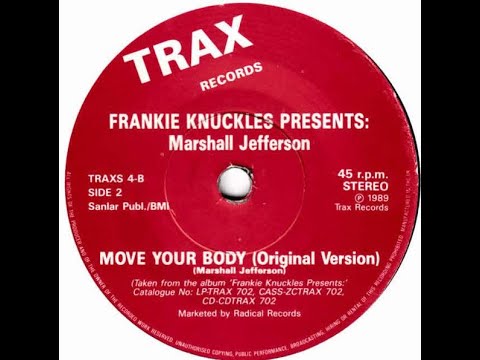
By 1985, Marshall Jefferson had walked into a studio and recorded "Move Your Body" — a piano-driven, gospel-infused track that felt like joy made into music. It was released on Trax Records, the independent Chicago label that would become one of the most important catalogs in the history of dance music. Jefferson called it "the House Music Anthem." He wasn't wrong.
Ron Hardy and the Music Box
When Frankie Knuckles left the Warehouse, Robert Williams reopened in a new location and brought in a DJ named Ron Hardy. He renamed the club the Music Box. And what happened there between 1983 and 1987 is its own chapter in this story — not a footnote, but a full story in its own right.
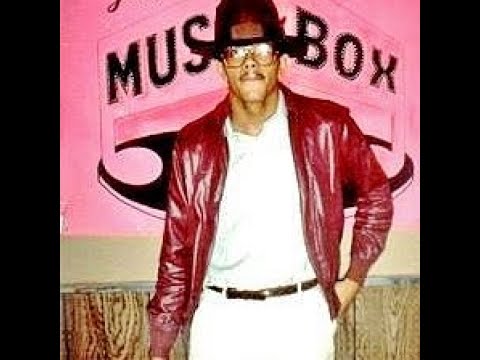
Ron Hardy was from the South Side of Chicago, born in Chatham, and he had grown up with his father's Blue Note and Atlantic records in the house. He had been DJing Chicago's underground dance scene since 1974, before most people knew what a house party was. He was technically audacious and emotionally reckless in the best possible way. Where Frankie Knuckles was soulful and precise, Ron Hardy was chaotic and transcendent. His sets were loud — the Music Box sound system could physically move your body from anywhere in the room, not just the dance floor. He played everything: punk, new wave, disco, electro, soul, Italo disco, acid, and whatever a young producer had pressed up on acetate and brought to his booth that week.
That last part is crucial. Ron Hardy played demos. If you made something — anything — and it was good, Ron Hardy would play it. He didn't care if you were famous. He didn't care if you had a label deal. If the record moved the floor, he played it. That openness made the Music Box a breeding ground for young Chicago producers who were just beginning to understand what they could create.
Marshall Jefferson brought records there. Larry Heard brought records there. DJ Pierre of Phuture brought a reel-to-reel tape of an experimental track built around the squelching, bizarre sound of a Roland TB-303 bass synthesizer — a machine that wasn't even being used the way it was designed to be used. Hardy played it. The first three times, people cleared the floor. It was too strange, too alien. Hardy played it again. And again. On the fourth play, something broke open, and the floor erupted. That track was "Acid Tracks." It launched an entire subgenre.
The Music Box closed in 1987 when Chicago passed a law restricting after-hours clubs. Ron Hardy continued to DJ around the city, but he was battling addiction, and his health was deteriorating. He died on March 2, 1992, at thirty-four years old. He never got the full recognition he deserved while he was alive. But every Chicago house producer of that era — Marshall Jefferson, Larry Heard, Adonis, DJ Pierre, Gene Hunt — will tell you the same thing: Ron Hardy made their careers, because he played their music when no one else would.
The Producers Who Built the Sound
While Knuckles and Hardy held the floors, a generation of South Side producers were in their bedrooms and small studios building the records that would travel the world. Affordable drum machines — the Roland TR-808, the TR-909 — made production accessible to anyone with a vision and a little cash. These were not wealthy young men. They were making music with secondhand gear in apartments, and what they made was extraordinary.
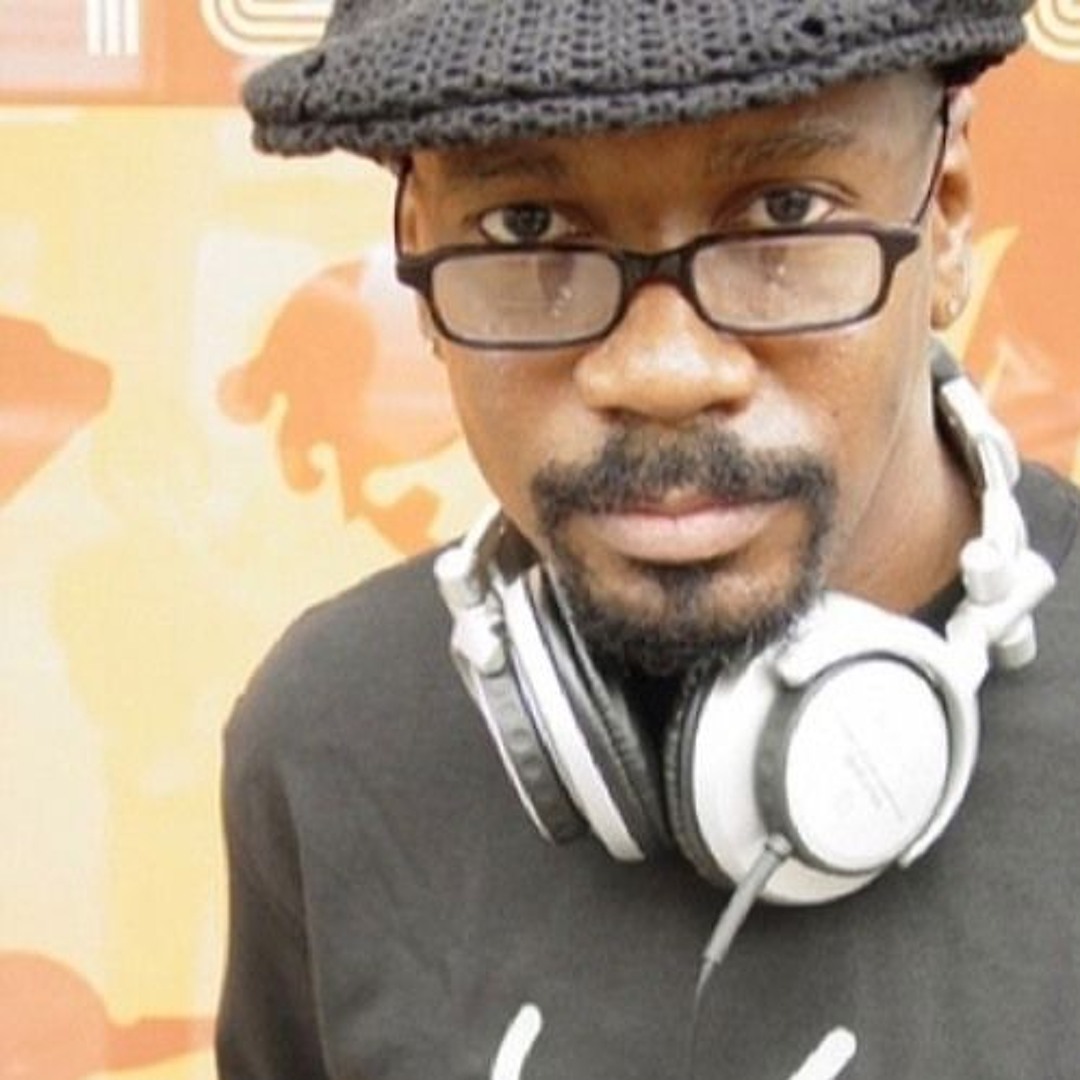
Larry Heard grew up on the South Side, the son of a man with a jazz and soul record collection that shaped his ears from childhood. Before house music, he was a drummer in live bands. Then he bought a Roland synthesizer and a TR-909 drum machine, and within days of plugging it in, he had recorded three tracks that would define the deep house subgenre: "Can You Feel It," "Mystery of Love," and "Washing Machine." He recorded them to cassette. He released them under the name Mr. Fingers, and the music world — Chicago's first, then the world's — stopped and listened. "Can You Feel It" didn't sound like it was made by a drum machine. It sounded like it was made by a soul. That was the point. Larry Heard taught the machines to feel something.
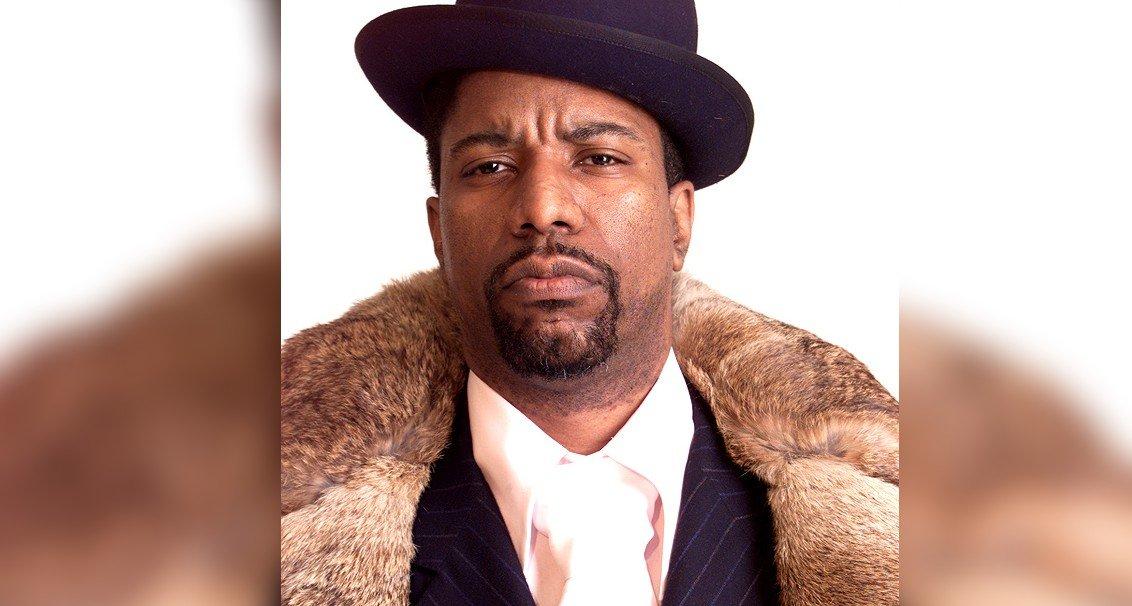
Marshall Jefferson grew up listening to rock and roll and didn't know what house music was until someone took him to the Music Box. He walked out a changed man. "I wasn't even into dance music before I went to the Music Box," he said later. He went into a studio and didn't look back. "Move Your Body," with its live piano and soaring gospel energy, became the house anthem. Jefferson went on to produce some of the most important tracks of the era and introduced a generation of producers to the idea that house music could carry the full weight of human emotion.
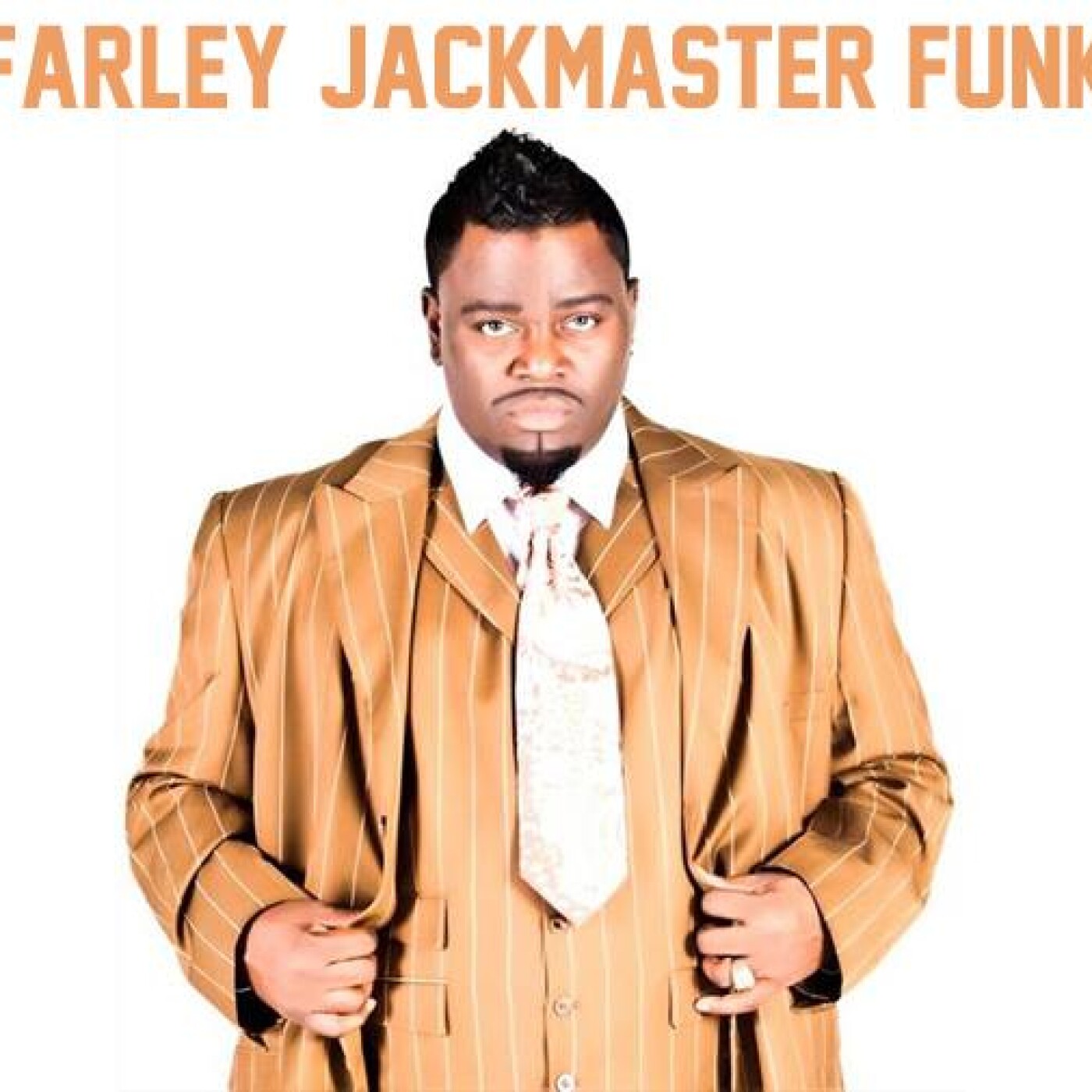
Farley "Jackmaster" Funk was part of the Hot Mix 5, the legendary crew of DJs on radio station WBMX-FM who made house music available to all of Chicago — not just the people who could get into the clubs. The Hot Mix 5 broadcast their mixes live on 102.7 WBMX starting in 1981, and they were heard across the city: in kitchens and bedrooms and cars, by people who had never set foot in the Warehouse but who were already falling in love with the sound. Farley's "Love Can't Turn Around," featuring the powerful vocals of Darryl Pandy, became the first house record to crack the UK charts, reaching number 10 in 1986. It was the opening shot across the Atlantic.
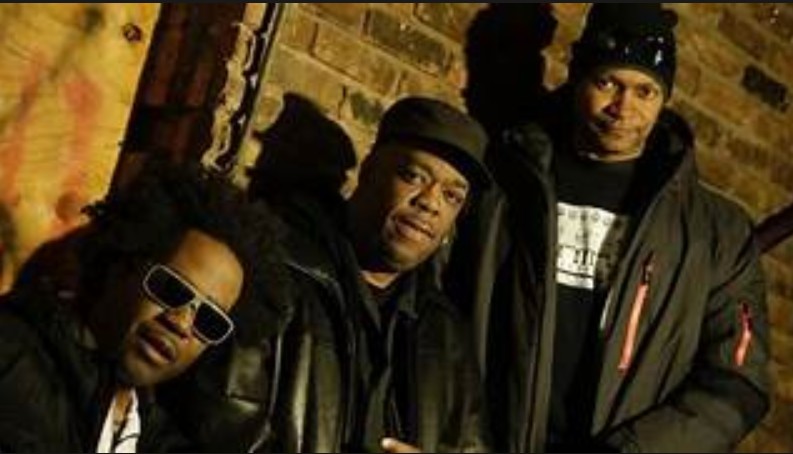
Phuture — DJ Pierre, Spanky, and Herb J — were teenagers from Chicago's South Side when they created "Acid Tracks" using a Roland TB-303 synth they'd bought secondhand and didn't know how to program correctly. The "mistakes" they made with that machine became the sound of acid house. They gave the tape to Ron Hardy. The rest is history.
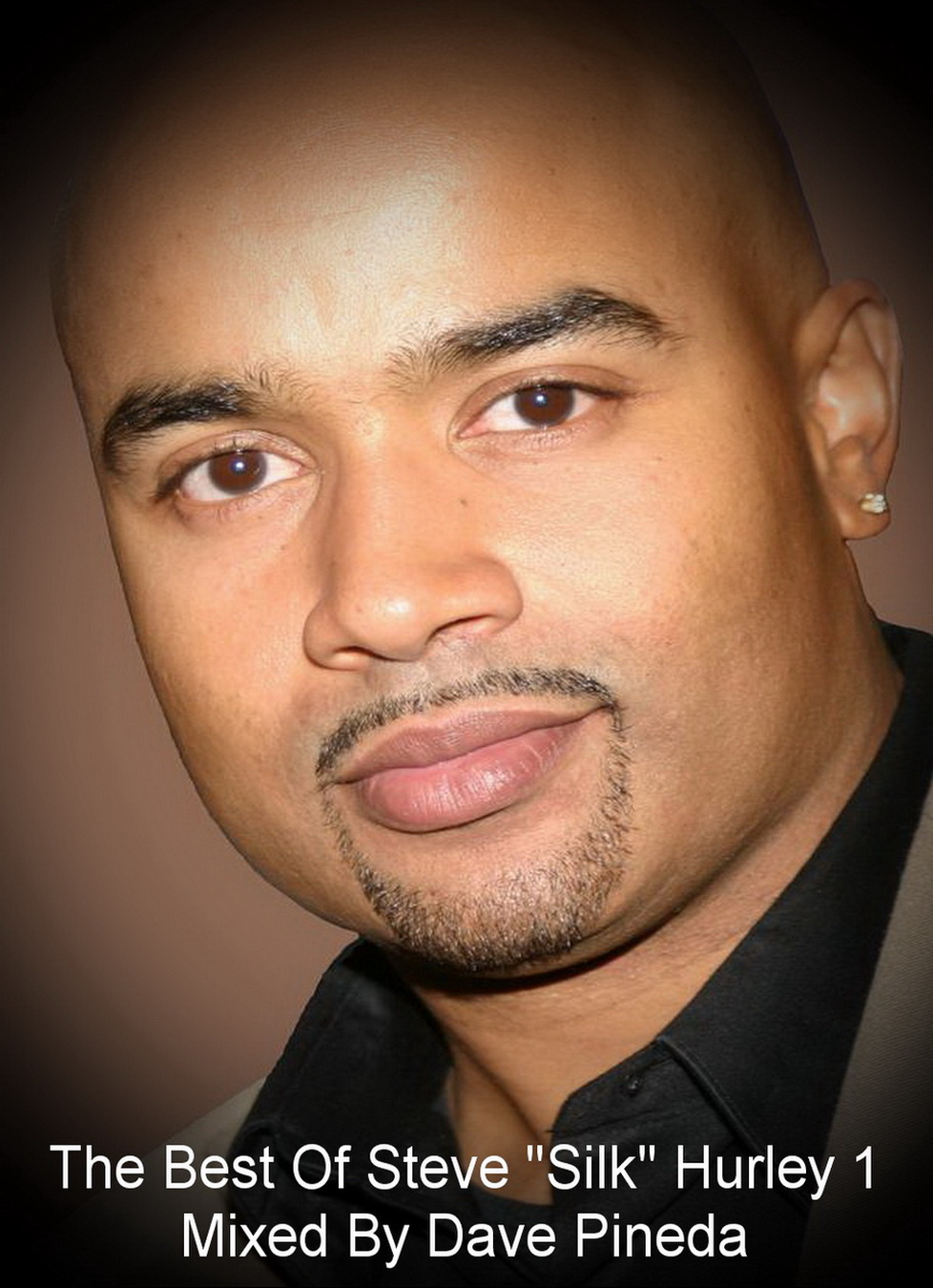
Steve "Silk" Hurley recorded "Jack Your Body" in 1986 — a relentless, driving track that captured the essence of what it felt like to be on a great Chicago house floor. In January 1987, it hit number one on the UK singles chart. A song made on the South Side of Chicago, pressed on a small label, with no major label support — went to number one in Britain. Chicago couldn't quite believe it.
The Radio That Took It to the Streets
The clubs were the heartbeat. But the radio was the bloodstream.
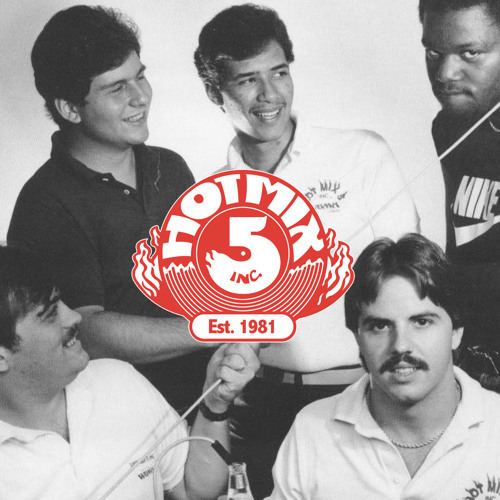
WBMX-FM at 102.7 was Chicago's dance music station, and starting in 1981, it gave regular airtime to the Hot Mix 5: Farley "Jackmaster" Funk, Mickey "Mixin" Oliver, Scott "Smokin" Silz, Kenny "Jammin" Jason, and Ralphi Rosario. These DJs did on radio what Knuckles and Hardy were doing in the clubs — they mixed records live, created their own edits on the fly with reel-to-reel machines and drum machines, and played the music that the clubs were playing. And they played it into every home in Chicago that had a radio.
For young people who were too young to get into the Warehouse or the Music Box, WBMX was everything. You set your alarm so you didn't miss the late-night mix shows. You held a blank cassette up to the radio and recorded. You traded those tapes at school the next morning. The Hot Mix 5 made house music a city-wide phenomenon, not just an underground one.
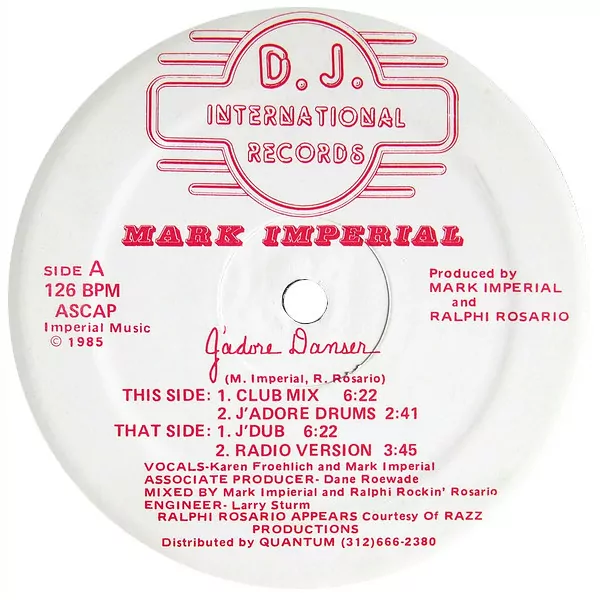
The labels did the rest. Trax Records and DJ International Records were the two Chicago labels that pressed the vinyl and got it out of the city. Trax's catalog — Jefferson, Larry Heard, Phuture, Adonis, Ron Hardy — is essentially the founding document of house music. DJ International put Farley, Steve Hurley, and others on wax and got them into distribution channels that reached New York and London. These weren't major labels with big budgets. They were scrappy, independent, and operating on instinct. But they understood that the music was real, and they got it into the world.
Chicago to the World
The export happened in two ways: vinyl and people.
The vinyl went first. By 1986, records pressed in Chicago were showing up in crates in London, in record shops in Manchester, in DJ booths across the UK. British DJs heard them and immediately understood what they were hearing. Something raw and new and deeply soulful, coming out of drum machines and synthesizers in a way that felt like it had always existed but somehow hadn't until now.
In 1987, Steve "Silk" Hurley's "Jack Your Body" hit number one in the UK. The same year, a group of British DJs including Danny Rampling and Paul Oakenfold traveled to Ibiza, heard house music being played in open-air clubs under the Spanish sun, and came home converts. They opened clubs in London — Shoom in Southwark, Spectrum, Heaven — and what they started became the Second Summer of Love. By 1988, hundreds of thousands of people across Britain were gathering in clubs and warehouse spaces and fields to dance to music that had been born in Chicago's West Loop. The British government tried to regulate it. The tabloids panicked. Nobody stopped dancing.
The music then moved to Germany, where Berlin stripped it down and built an entirely new genre — techno — from its skeleton. It moved to France, where Daft Punk and a generation of Parisian producers took Chicago house and built the French house sound out of it. It moved to Amsterdam, which became one of the world's great electronic music cities, its clubs and its annual Amsterdam Dance Event drawing DJs and producers from every corner of the planet.
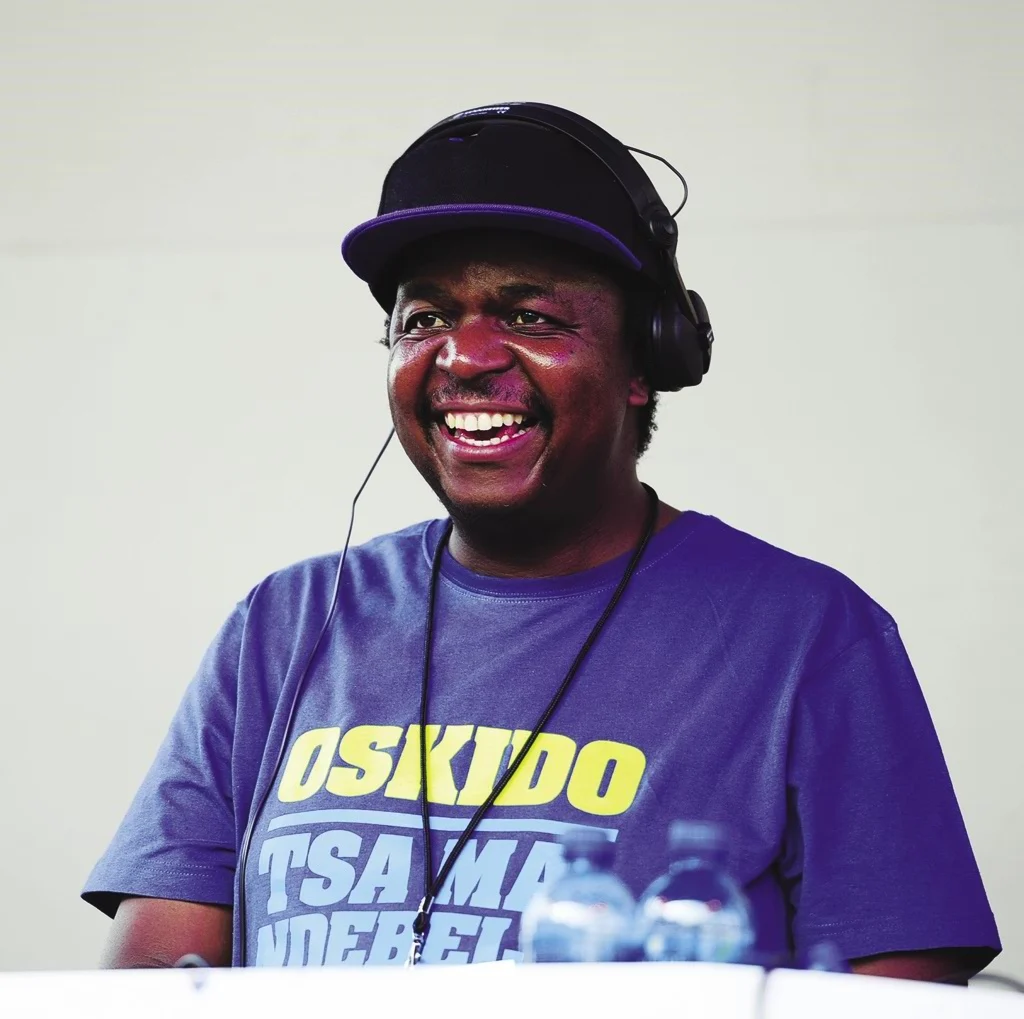
And then it moved south — to South Africa, where something extraordinary happened. The townships of Johannesburg began importing Chicago house records in the early 1990s, right as apartheid was ending and South Africa was stepping into a new era. The music landed like something people had been waiting for. DJ Oskido, who helped shape the South African sound, said it simply: "In South Africa, house music is pop." Not underground. Not niche. Just the music people live to. South African artists built Kwaito, Afro house, and ultimately Amapiano — all rooted in what came out of Chicago — and sent those sounds back around the world. Today, South Africa is by some measures the largest house music market per capita on the planet.
Japan embraced house music with the devotion that country brings to things it loves. Tokyo and Osaka built club cultures around it that remain vibrant to this day. Brazil took the groove and made it its own. Australia built massive festival scenes around it. The music Chicago made in basement studios with secondhand drum machines now fills arenas on six continents.
Chicago Keeps the Faith — The Chosen Few Picnic
But the thing about house music is: the people who made it never forgot where it came from. And Chicago never forgot what it gave the world.
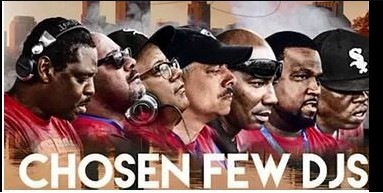
Every year, on the Saturday after the Fourth of July, something remarkable happens at Jackson Park on the South Side. Tens of thousands of people — from Chicago, from Atlanta, from Los Angeles, from London, from all over — gather under the trees and on the grass and on the dance floor for the Chosen Few Picnic and Festival. It started in 1990, when a DJ collective called the Chosen Few — Wayne Williams, Jesse Saunders, Alan King, and the Hatchett brothers, all foundational figures in the story of house music — decided to bring people together for a cookout and a music reunion.
In the beginning, it was literally a picnic. A family gathering. About forty people showed up the first year. They passed a bucket for donations. They played music all day. People who hadn't seen each other since the Warehouse or the Power Plant found each other again and danced like they were twenty-two.
It grew. It moved to Jackson Park because it outgrew every other space. Now, on a good year, the Chosen Few Picnic draws forty thousand people. They come from around the world. State officials have shown up to present proclamations. President Obama sent a video greeting for the event's 25th anniversary. Now in its 36th year, it remains, as people call it, the Woodstock of house music.
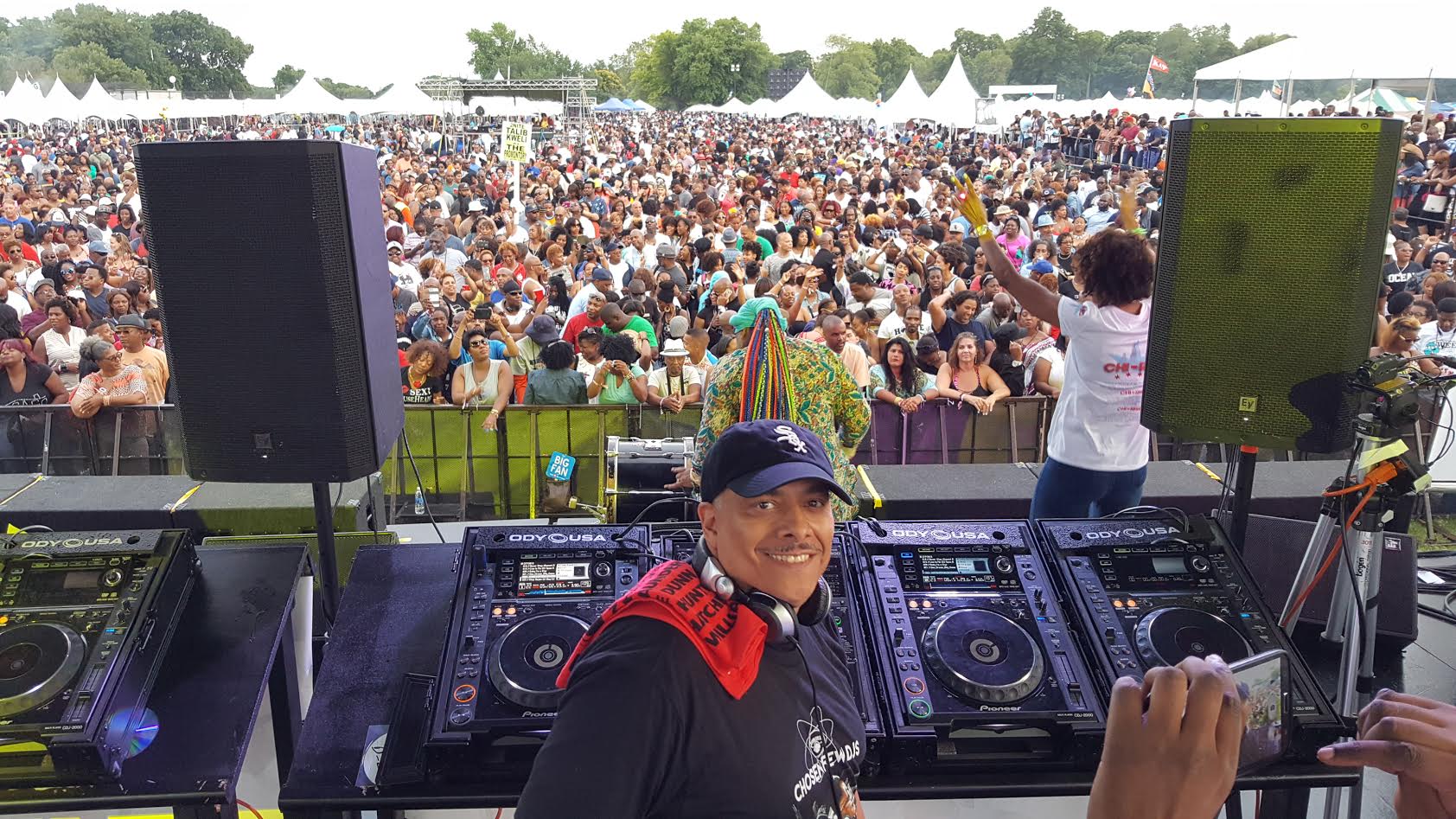
And at every single one of those picnics, through every lineup change and every year that passes, Frankie Knuckles is honored. After his death in 2014, that tribute grew deeper and more intentional. The Godfather of House Music passed away on March 31, 2014, in Chicago, at fifty-nine years old — a man who had started something in a converted factory building that he probably couldn't have imagined would end up here: forty thousand people in the park he grew up near, dancing to the music he invented, in the city that made him.
The city of Chicago named a stretch of Jefferson Street after him in 2004 — Frankie Knuckles Way — right where the Warehouse once stood. In 2023, the building itself was designated an official Chicago landmark. Frankie Knuckles' personal vinyl collection — nearly five thousand records — is now housed at the Stony Island Arts Bank on the South Side, where a resident DJ incorporates selections from it into regular public shows.
He never went away. His name is in every note.
What House Music Was — And What It Is
It is worth stopping and saying clearly what house music represented when it was born, not just musically, but humanly.
It was created by Black and Latino Chicagoans, many of them gay, in a city and a country that still had a long list of places where they were not welcome. The Warehouse gave them somewhere to be fully themselves. The music they made and danced to in that room said something that the world outside the room was not yet ready to hear: we are here, we are free, and you cannot have this from us.
That message traveled. House music, at its core, has always been about community. About finding your people in a room and letting go together. About a DJ who understands the crowd so well that the music becomes a conversation. Frankie Knuckles once said the Warehouse was like church for people who had fallen from grace. Marshall Jefferson compared it to old-time religion — the way people would just get happy and start screaming.
That spirit is why the music is still alive. Not because it's fashionable, though it often is. Not because it's commercially dominant, though it often is that too. But because it carries something in it that people recognize. A feeling. A freedom. A reminder that joy is possible and communal and yours.
Chicago made that. The South Side made that. And the world is still dancing to it.
Coming Up Next: The Moves
Next week, we take a different kind of look at Chicago's nightlife history. All of this music — from the jazz of the 1920s to the soul of the 1960s to the house of the 1980s — had a dance to go with it. And Chicago had its own versions of all of them.
Part 8 is about the dances. The Lindy Hop. The Stroll. The Boogaloo. The Jerk. The Hustle. And, of course, the Jacking — the house music move that put your whole body into the groove and left your worries somewhere on the floor.
We'll look for the video footage too. Because some things you have to see to believe.
Check back next week for Part 8. And if you're just joining us, the full series — Introduction, Part 1, Part 2, Part 3, Part 4, Part 5, and Part 6 are all waiting for you at Bronzecomm Hub.
Stay connected with news and updates!
Join our mailing list to receive the latest news and updates from our team.
Don't worry, your information will not be shared.
We hate SPAM. We will never sell your information, for any reason.
