Chicago After Dark: A New Bronzecomm Series on the Nightlife That Shaped a City
Mar 13, 2026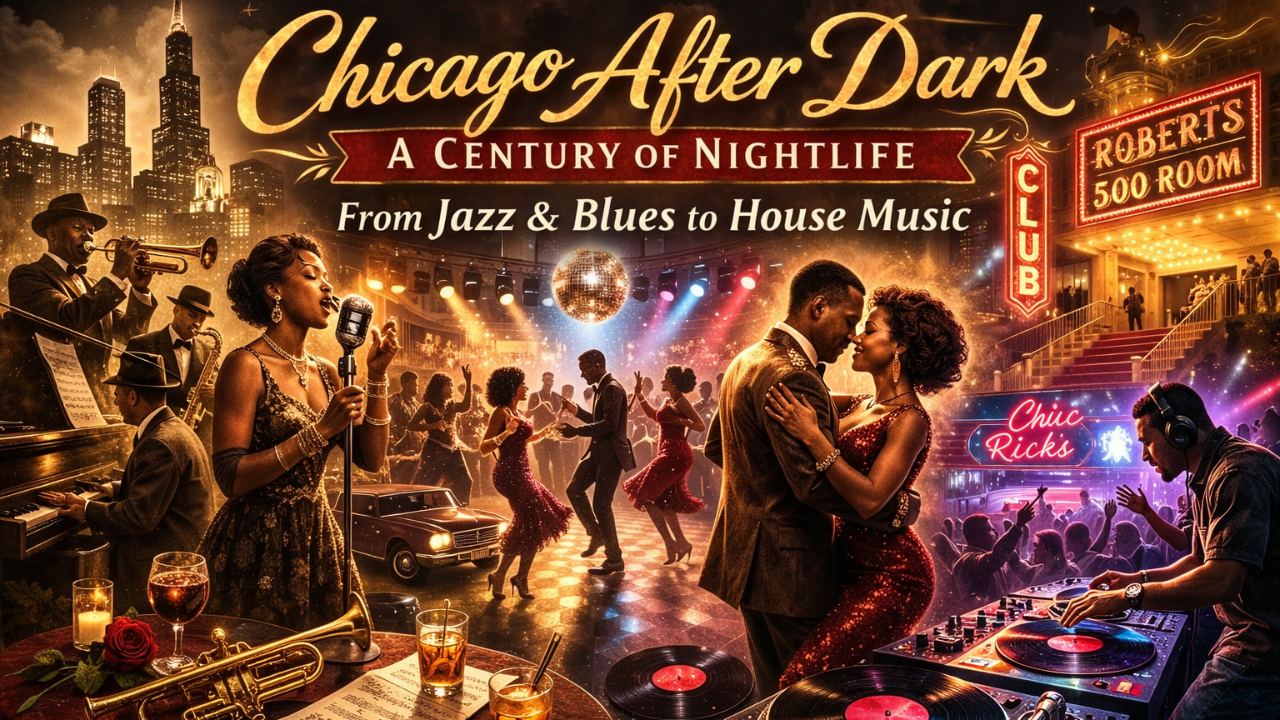
Chicago has always been a city that comes alive after dark.
Long before the skyline glittered with modern lights, the South Side and beyond pulsed with music, laughter, dancing, and the quiet elegance of formal society gatherings. For nearly a century, Chicago nightlife has helped shape the sound, style, and social life of the nation. Jazz exploded here in the 1920s. Electric blues shook the clubs in the 1950s. House music rose from Chicago dance floors and went on to influence the world.
But nightlife in Chicago was never just about music. It was about people—about how Black Chicagoans created spaces of joy, culture, and community even when segregation, discrimination, and limited opportunity tried to restrict where they could go and what they could do.
Starting next week, Bronzecomm will launch a new multi-part series exploring Chicago’s nightlife over nearly eighty years—from the jazz speakeasies of the 1920s through the neighborhood nightclubs and dance spots many readers remember from the 1970s, ’80s, and ’90s.
This series began with a suggestion from one of our readers. Bronzecomm reader Janice Kelley recommended that we publish an article about Chicago’s historic Black social clubs saying, "My dad was a part of then. It was a beautiful thing to see Black men and women dressed in their finest." I remember that time too. Watching my mom dress in her elegant formal and my dad in white tie and tails. As we began discussing that idea, we quickly realized that the story of social clubs was just one part of a much larger story. That conversation grew into something bigger—a full series exploring how Chicago’s nightlife evolved across generations.
Each chapter will focus on a different era and the kinds of nightlife that defined it. In some periods, several worlds existed at the same time. Elegant society balls hosted by social clubs took place while jazz bands electrified packed nightclubs. Show lounges and supper clubs entertained crowds while neighborhood dance clubs later became the gathering spots for entire communities. Through every era, Black Chicagoans were not just participants—they were innovators, entrepreneurs, performers, and cultural leaders who helped shape the city’s identity.
Over the coming weeks we will explore:
-
The speakeasies and jazz clubs of the 1920s and 1930s
-
Bronzeville’s legendary entertainment district known as “The Stroll”
-
The elegant formal dances hosted by Black social clubs
-
The show lounges and supper clubs that flourished in the mid-century era
-
The South Side nightclub circuit many readers still remember
-
And the rise of house music that carried Chicago’s sound around the world
For some readers, these stories will bring back memories—of nights out dancing, favorite clubs, beloved performers, and the places where friendships were formed and celebrations began. For others, especially younger readers, this series will offer a glimpse into the vibrant cultural world experienced by parents, grandparents, and elders who helped build Chicago’s legacy.
As we publish each chapter, we invite you to join the conversation. Tell us about the clubs you remember. Share stories your parents or grandparents told you. Let us know about venues we may have missed or moments that deserve to be remembered. Your memories will help preserve a history that was often lived loudly but recorded quietly.
Chicago has long been a leader in American music and culture. From jazz to blues to house music, the rhythms born in this city have traveled around the world. Behind those rhythms were dance floors, ballrooms, lounges, and nightclubs where generations of Chicagoans gathered after dark.
Next week, we begin the journey.
And we think you’re going to enjoy the ride.
Stay connected with news and updates!
Join our mailing list to receive the latest news and updates from our team.
Don't worry, your information will not be shared.
We hate SPAM. We will never sell your information, for any reason.
