
Chicago After Dark, Part 1: When Jazz Ruled the Night
Mar 25, 2026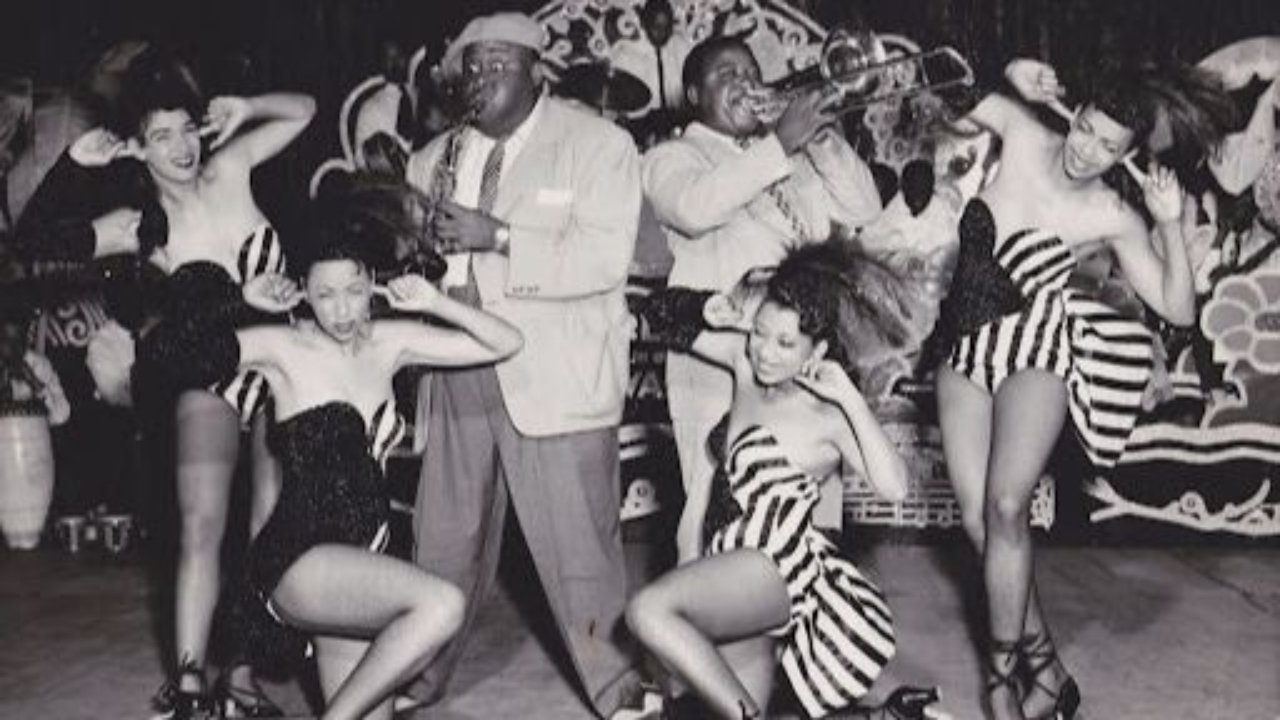
In the 1920’s through the early 1930’s, alcohol became illegal across the United States. In Chicago, that didn’t shut nightlife down—it pushed it underground and made it even more exciting.
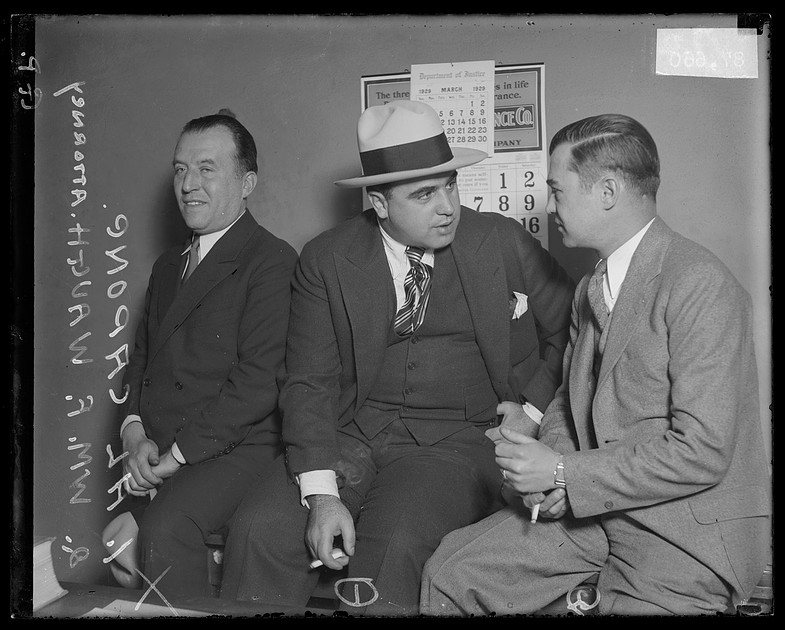
Hidden bars known as speakeasies popped up across the city. Many were tied to organized crime figures like Al Capone, who helped control and protect parts of the nightlife economy—including clubs on the South Side.
Behind unmarked doors and down dimly lit staircases, people gathered to drink, dance, and listen to jazz late into the night. It was risky. It was thrilling. And it was everywhere.
Step onto South State Street on a warm Chicago night in 1932. The street is alive before you even reach the door.
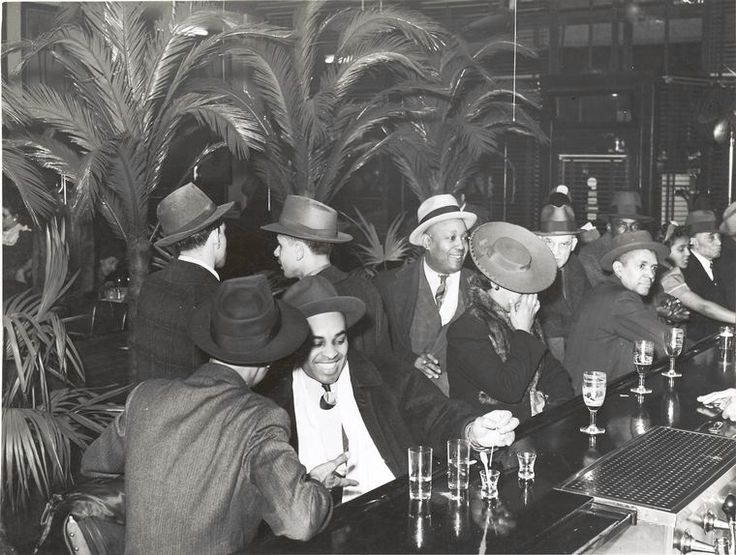
Music spills out onto the sidewalk—horns crying, pianos rolling, drums tapping out a rhythm that pulls you in before you even realize you’re moving. Couples stroll past in their finest. Women in satin dresses that shimmer under the streetlights. Men in pressed suits, collars sharp, shoes polished to a mirror shine.
A man at the door gives you a quick look. If you know the password, you’re in. You push through. And now you’re inside.
Inside the Clubs: Elegance, Smoke, and Sound
Some clubs feel like stepping into another world. White tablecloths. Crystal glasses. Waiters weaving through the room balancing trays of drinks. A full band on stage—horn section gleaming, piano steady, bass humming low in the background. The crowd is dressed to be seen. Every movement is smooth, intentional. The air smells like perfume, cigars, and whiskey.
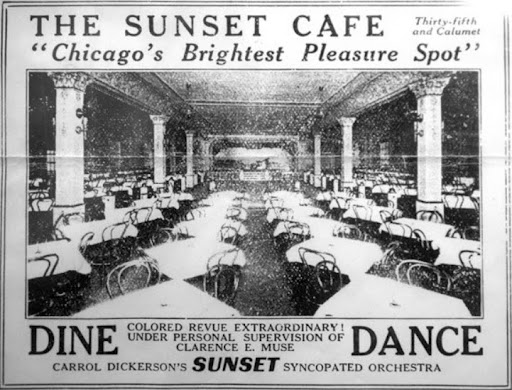
Places like the Sunset Café weren’t just clubs—they were experiences. You didn’t just come to hear music. You came to be part of something.
Across the room, a woman laughs, her head tilted back. A couple glides onto the dance floor, moving like they’ve practiced all their lives. The band shifts tempo, and just like that, the entire room moves with it.
Then there are the other spots. Down a side street. Through a narrow hallway. Maybe down a flight of stairs. No tablecloths here. Just wooden tables, close together. A bar that’s seen a thousand nights. The lighting is low, the room thick with smoke. The music is louder, rougher, closer. You can feel it in your chest.
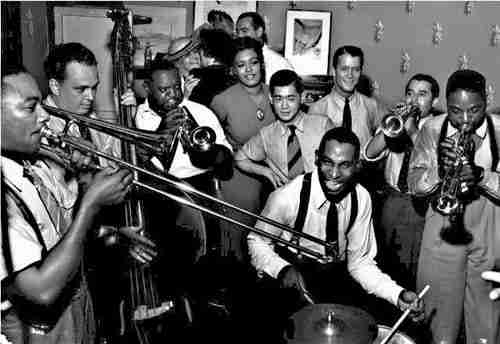
This is where the real jam sessions happen. Musicians crowd the stage—or sometimes just a corner. Someone starts playing. Someone else jumps in. Before long, the whole room is locked into the same rhythm.No program. No script. Just music being created in real time.
Eating, Drinking, and the Business of the Night
You didn’t go to a club just to listen. You stayed for hours.
Plates of food came out—fried chicken, catfish, greens, cornbread. Food that filled you up and kept you there longer. Drinks kept flowing, even though they weren’t supposed to exist.
Because this was Prohibition. Alcohol was illegal. But Chicago didn’t stop drinking—it just got creative. Liquor came in through back doors, hidden compartments, and coded deliveries. Some bottles were smuggled in from Canada. Others were homemade—bathtub gin, moonshine, whatever could be produced and poured.
In some clubs, the bar was hidden behind a wall panel. In others, it was right there in plain sight, protected by the understanding that certain people weren’t going to ask too many questions.
And if the police showed up? Things could change quickly. A bottle disappears. A curtain closes. The room shifts from party to quiet in seconds. Then, just as fast, the music starts again.
The Other Side of the Night
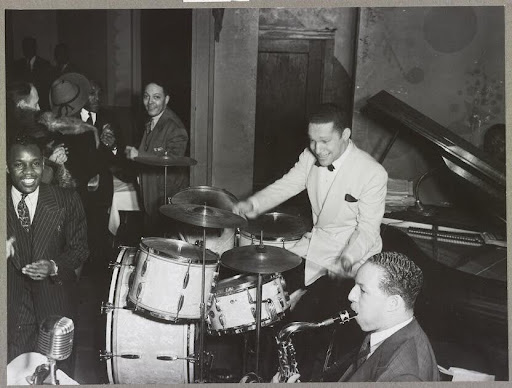
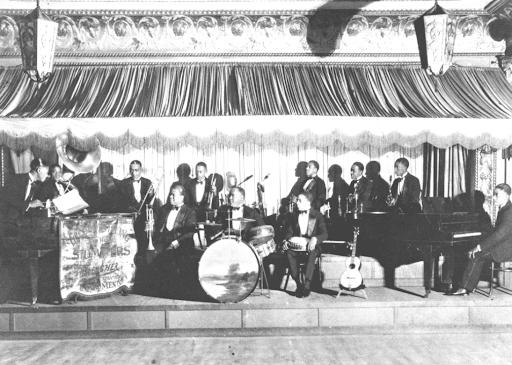
But as alive as these nights were, they weren’t equal.
On the South Side, white patrons came freely. They came to experience the music, the energy, the freedom they didn’t find in their own neighborhoods. They came to let their hair down. Black entertainers created the sound, carried the night, held the room together.
But downtown? That was different. Black performers could take the stage—but not the seats. They could entertain—but not belong. And when the night was over, many of them couldn’t even stay where they had just performed. No hotel room waiting. No suite upstairs.
Instead, they traveled back to the South Side, stayed with friends, slept in private homes and found places where they were welcome, even if those places were far from the spotlight they had just stood in.
More Than Music
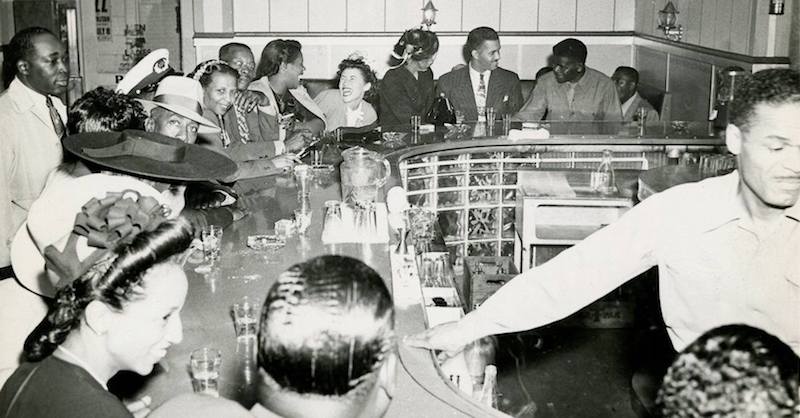
What was happening inside these clubs wasn’t just entertainment. It was culture being created. It was fashion being defined. It was movement, expression, identity. The way people dressed, danced, spoke, and carried themselves—all of it was shaped by these nights.
And it didn’t stay in Chicago. It moved.
To New York.
To Los Angeles.
Across the country.
Across the world.
We want to hear from you:
What stories have you heard about this era? What did your parents or grandparents say about these nights? Share them with Bronzecomm. Let’s bring this history all the way to life.
Next week, we step further into the heart of it all…
The Stroll: Bronzeville’s Legendary Entertainment Strip
Stay connected with news and updates!
Join our mailing list to receive the latest news and updates from our team.
Don't worry, your information will not be shared.
We hate SPAM. We will never sell your information, for any reason.
