
Woven in History: The Stories Behind Africa’s Textiles
Sep 30, 2026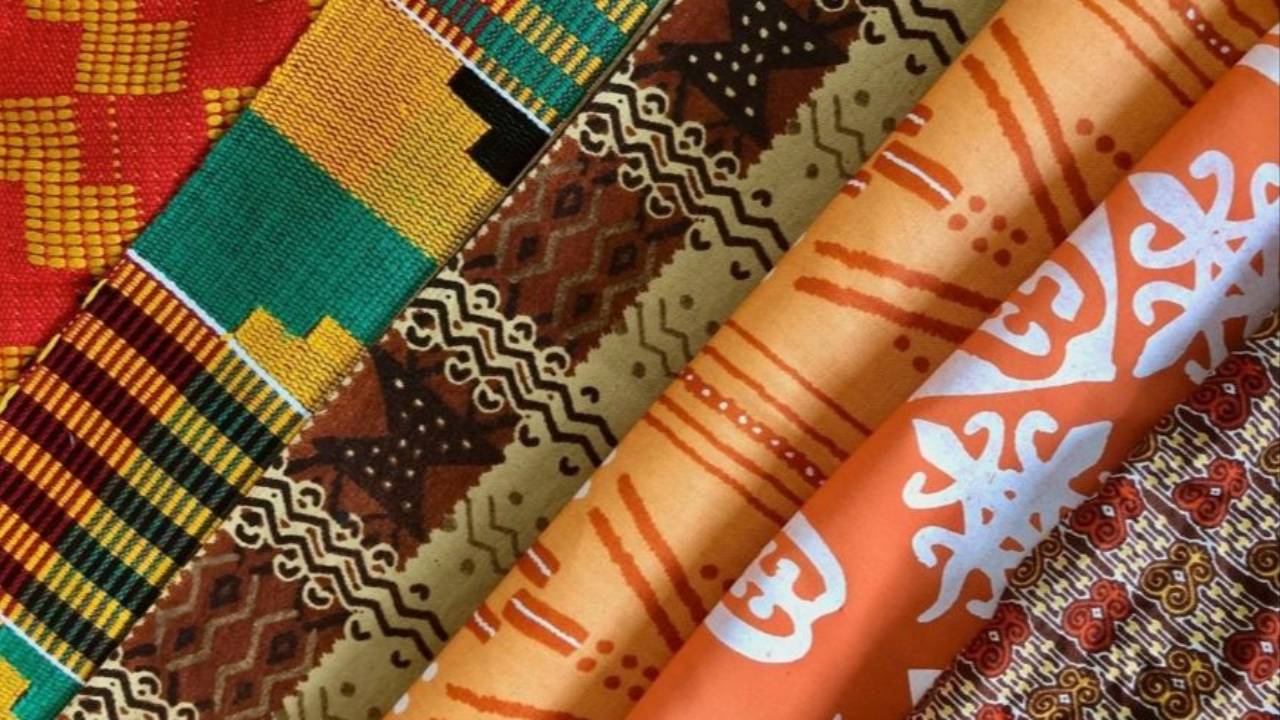
Africa’s textile traditions tell stories that stretch across centuries, carrying the history of communities through color, weaving, dyeing, symbols and patterns. Long before mass-produced clothing became common, textiles across the continent could communicate identity, status, occupation, spirituality and belonging. There is no single “African fabric.” Different regions developed their own materials and techniques, shaped by local resources, trade networks and generations of skilled artisans.
In West Africa, Ghanaian kente became famous for its brightly colored woven strips and patterns associated with Akan and Ewe traditions, while Yoruba artisans in Nigeria developed Aso Oke, another handwoven textile traditionally used for important clothing and ceremonies. Mali is closely associated with Bogolanfini, commonly called mudcloth, in which cotton fabric is decorated through a labor-intensive dyeing process involving fermented mud and plant materials. In Central Africa, Kuba textiles from the present-day Democratic Republic of Congo are especially known for raffia, geometric designs and complex surface decoration.
North Africa has equally deep textile traditions. Amazigh communities, including Kabyle and Tuareg peoples, developed distinctive weaving, embroidery and clothing traditions influenced by geography, trade and cultural identity. Egypt, meanwhile, has been associated with linen and later high-quality cotton production, particularly the long-staple cotton that became internationally famous during the 19th century.
Across eastern and southern Africa, textiles such as kanga, kikoi, kitenge, shweshwe and leteisi became important parts of everyday and ceremonial dress. Kanga is especially fascinating because the cloth can literally carry a message, with Swahili sayings printed onto the fabric communicating everything from affection and wisdom to humor and social commentary. Shweshwe, now strongly associated with southern African fashion, also shows how textile histories can cross borders and evolve through trade, colonial contact and local adaptation.
Stay connected with news and updates!
Join our mailing list to receive the latest news and updates from our team.
Don't worry, your information will not be shared.
We hate SPAM. We will never sell your information, for any reason.
