
When Freedom Became a Crime: Black Codes and Vagrancy Laws
Jan 07, 2026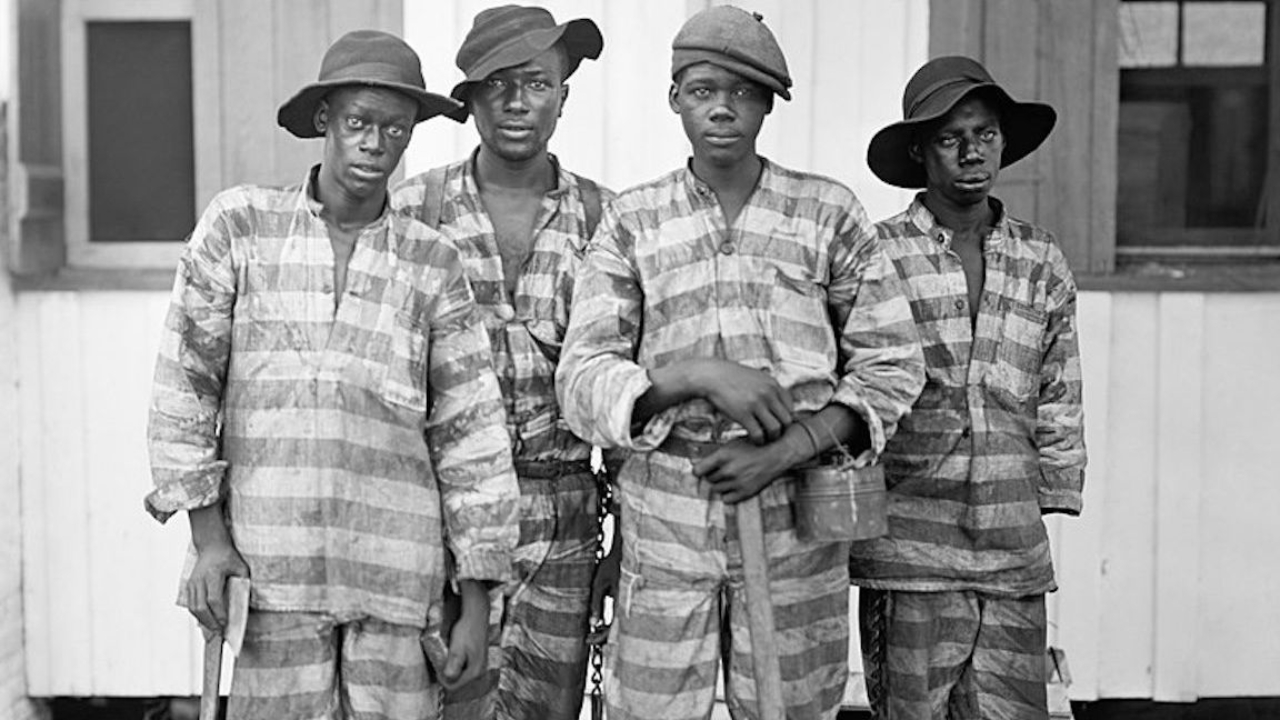
BLACK CODES (Vagrancy Laws)
“If you don’t have a job, we’ll arrest you…then force you to work anyway.”
What Were the Black Codes?
After slavery ended in 1865, Southern states created a system called the Black Codes — laws designed to control newly freed Black people and keep them from gaining independence.
These laws limited:
Movement
Employment options
Housing
Freedom to negotiate wages
Protection under the law
Black Codes were slavery re-arranged, not ended.
What Were Vagrancy Laws?
Vagrancy laws made it illegal for a Black person to:
Be unemployed
Be out in public without the “right papers”
Not have a work contract signed with a white employer
Travel or move without permission
If they didn’t meet these rules, they could be:
Arrested
Fined
Jailed
Forced into labor through “convict leasing”
This was a shortcut back to slavery on paper, not chains.
How It Worked (Real Example)
A freed Black man walks to town looking for work.
A police officer stops him and asks for his employment papers.
He says:
“I don’t have a job yet. I’m looking for one.”
The officer replies:
“Then you’re a vagrant.”
He’s arrested for “vagrancy,” fined more than he can pay.
A judge orders him leased out to a plantation or railroad until the “fine is worked off.”
No pay. No choice. No freedom.
Just slavery under a new name.
Connection to Modern Policing & Incarceration
These systems didn’t disappear they evolved.
They became the blueprint for:
Jim Crow
“Stop and frisk”
Loitering laws
“Failure to comply” arrests
Cash bail systems that punish poverty
The prison labor economy
Even today, police can detain someone for:
“Loitering”
“Suspicious behavior”
“Interfering”
“Failure to identify”
And Black communities experience these laws the hardest.
That’s not coincidence — that’s a legacy.
If slavery ended, why is labor still being taken?
Because the system learned to use:
Courtrooms instead of auctions
Police instead of overseers
Incarceration instead of plantations
Black Codes didn’t die. They shapeshifted.
THE POINT
Don’t let anyone tell you:
“Slavery was a long time ago.”
Not when laws created THEN still shape arrests NOW.
Not when poverty became a crime.
Not when freedom had a price tag.
This is why knowing history matters:
Because the past isn’t past if it’s still happening in a new uniform.
LARRY D. ROBERTS
Stay connected with news and updates!
Join our mailing list to receive the latest news and updates from our team.
Don't worry, your information will not be shared.
We hate SPAM. We will never sell your information, for any reason.
