
The Spy in Sequins: How Josephine Baker Fooled the Nazis
Sep 16, 2026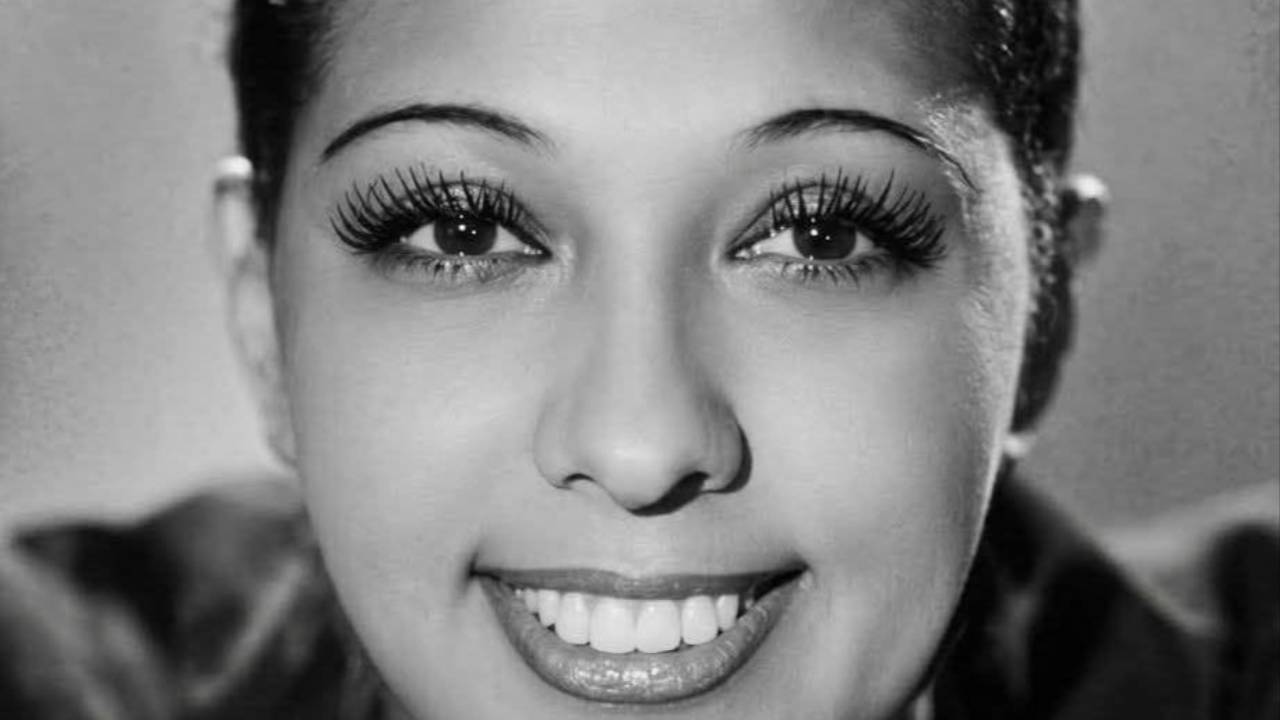
By Allison Skeete
The Nazis invited her to their parties because they thought she was harmless. She smiled, danced, and walked out with their military secrets.
Paris, 1940. The city that never stopped glittering had gone dark. German troops marched through the Arc de Triomphe. Swastika flags hung from the Eiffel Tower. The cafés still served coffee, but conversations happened in whispers now.
Josephine Baker could have left. She was American-born, internationally famous, and wealthy enough to go anywhere in the world. Instead, she made a choice that would turn her into one of the most effective spies of World War II.
The woman the Nazis saw was exactly what she wanted them to see. A dazzling performer. A creature of sequins and spotlight. Someone who lived for applause and champagne. Hermann Göring knew her name. High-ranking officers attended her shows. They saw a beautiful distraction from the war, nothing more.
They made a fatal mistake.
Josephine Baker despised everything the Nazis represented. She had fled America's racism to find acceptance in France. Paris had embraced her when her own country wouldn't. She once said: "France made me who I am. I will give her my life if I have to."
When the French Resistance approached her, she didn't hesitate. She became an "Honorable Correspondent"—a French military intelligence officer with a very unusual cover. While other spies operated in shadows and safe houses, Josephine operated under stage lights.
She attended parties at Nazi headquarters. She mingled at Italian and Japanese embassy galas. She flirted with generals who couldn't believe their luck. She laughed at their jokes in perfect French and German. She filled their glasses. And while they relaxed in her presence, convinced she was harmless, she listened.
She memorized troop movements. She learned about military plans. She gathered details about German operations in North Africa and Mussolini's strategic intentions. Information that could save thousands of Allied lives.
Then came the dangerous part: getting the intelligence out.
This is where Josephine's genius truly shone. She understood something fundamental about human nature. People see what they expect to see. And everyone expected Josephine Baker to be a diva.
So she became an unforgettable one.
She packed her steamer trunks with silk gowns and designer shoes—and military documents hidden in the linings. She wrote intelligence reports in invisible ink made from lemon juice directly onto her sheet music. To anyone glancing at the pages, it looked like musical notation. Applied to heat, the words revealed German positions and strategy. She pinned photographs of enemy aircraft and naval vessels to the inside of her undergarments.
When she arrived at militarized border checkpoints, carrying intelligence that could get her executed, she didn't try to sneak through. She made an entrance.
German guards would see her approach and freeze. "It's Josephine Baker!" They'd abandon their posts to ask for autographs. They'd pose for photographs. They'd thank her for her performances. She'd smile graciously, sign their papers, and compliment them in flawless German.
And then they'd wave her through without searching a single trunk.
She crossed borders that had stopped trained spies. She carried secrets past guards who shot others for far less. She did it by understanding that the best disguise isn't invisibility. It's being so visible that no one believes you're hiding anything.
She smuggled this intelligence to Allied forces in North Africa. She performed for troops in the Sahara Desert, standing atop military jeeps in evening gowns while sand swirled around her. She used every performance tour as an opportunity to gather and deliver information that shaped military strategy.
When the war ended, France didn't forget what she'd done. They awarded her the Croix de Guerre with palm, recognizing her courage under enemy fire. They gave her the Légion d'Honneur, one of France's highest distinctions. These weren't ceremonial honors. They were acknowledgments that Josephine Baker had risked everything and helped win the war.
When she died in 1975, the streets of Paris came to a complete standstill. She became the first American-born woman in history to receive full French military honors. A 21-gun salute echoed through the city for the dancer who had once smuggled secrets past Nazi checkpoints in her sheet musi
Her story proves something powerful. Courage doesn't always look like you expect. Sometimes it looks like sequins and champagne. Sometimes the most dangerous person in the room is the one everyone underestimates.
The Nazis thought Josephine Baker was performing for them. She was. Just not the show they thought they were watching.
Stay connected with news and updates!
Join our mailing list to receive the latest news and updates from our team.
Don't worry, your information will not be shared.
We hate SPAM. We will never sell your information, for any reason.
