
The Garden in the Jar: How Giardiniera Became Chicago's Condiment
Sep 08, 2026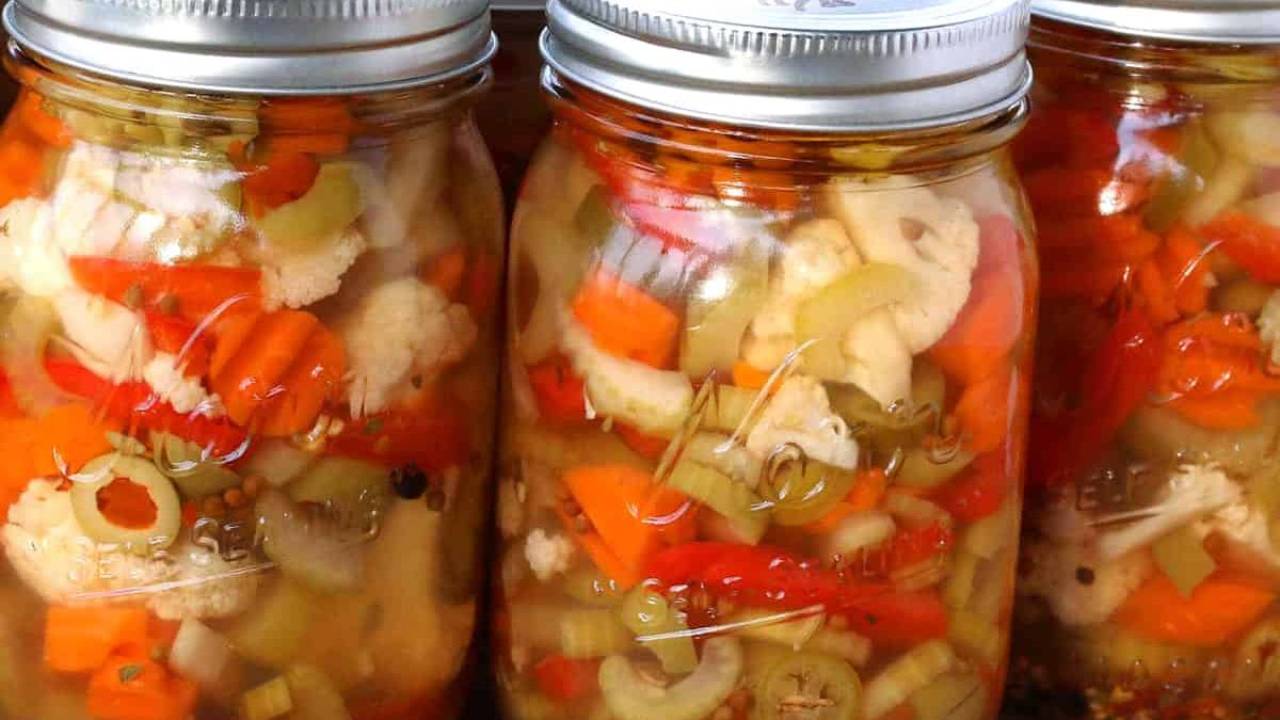
Not every Chicago food started here. Some just found their home here, and never really left. Giardiniera is the best example of that. It didn't come from a Chicago kitchen or a Depression-era pushcart. It came from Italy generations ago. But somewhere along the way, this city adopted it, changed it, and made it so essential that a lot of Chicagoans have no idea it's not originally ours.
Who Brought It Here, and When
Giardiniera arrived with Italian immigrants in the mid to late 1800s, and the wave kept building well into the early 1900s. Chicago's Italian population went from roughly 13,000 residents in 1899 to well over 120,000 by 1920, concentrated in neighborhoods like Taylor Street's Little Italy on the Near West Side and the Grand Avenue corridor further north.
Back in Italy, the technique was practical, not trendy. Preserving vegetables in vinegar or oil was how families got through winter before refrigeration was common. Some food historians point specifically to Sicilian tradition here, where oil-based curing was more common than the straight vinegar brine used elsewhere in Italy. That Sicilian influence is a big part of why Chicago's version leans oily and rich instead of sharp and acidic.
Once giardiniera crossed the ocean with these families, it stopped being just a pantry staple and started becoming a business.
Where It Took Root
Little Italy on Taylor Street was ground zero. Italian grocers, delis, and wholesalers set up shop there and along nearby stretches like Grand Avenue and Randolph Street, serving a rapidly growing immigrant community that wanted the tastes of home.
One of the clearest surviving threads of that history is J.P. Graziano Grocery, still standing at 901 W. Randolph Street in what's now the West Loop. The Graziano family opened their doors in 1937 after years of building a wholesale business supplying Italian households across the city. Their giardiniera recipe dates back to the 1950s, made in-house, and it's still treated by a lot of Chicago food writers as the benchmark other versions get measured against. Fourth-generation owner Jim Graziano still runs the place, and what started as a small wholesale grocery is now shipping jars of giardiniera nationwide.
Taylor Street itself changed dramatically over the decades. The construction of the UIC campus in the 1960s and the building of nearby housing developments pushed out a huge portion of the original Little Italy community, scattering many families to the suburbs. Little Italy survives today, but at a fraction of its former size. Giardiniera outlasted the neighborhood that built it, which says something about how deeply it got absorbed into the city's food identity.
Chicago Style
Traditional Giardiniera is a mix of chopped vegetables, usually cauliflower, carrots, celery, and hot or sweet peppers, cured in oil and vinegar with garlic and spice. The name comes from the Italian word for garden, which makes sense once you see the jar. It looks like someone pickled a produce aisle.
In Chicago, giardiniera shows up almost everywhere. It's the "hot" option at every Italian beef counter in the city, sitting across the menu from the milder "sweet" roasted peppers. It rides on hot dogs, gets stirred into salads, tops pizza, and even shows up in bloody marys and martinis at certain bars. Ask ten Chicagoans how they use it and you'll get ten different answers, and all ten will insist their way is correct.
A Few Tasty Details
- Chicago's version usually swaps vinegar for oil. The Italian original leans on vinegar brine. Chicago's take, especially the Sicilian-influenced style, is richer and more oil-forward, which changes both the texture and the shelf life.
- Sport peppers are doing double duty in this city. The same small, hot pepper that tops a Chicago-style hot dog also shows up chopped into giardiniera, tying two of the city's signature condiments back to the same ingredient.
- "Hot" and "sweet" isn't about spice preference alone. At most beef stands, sweet means roasted green bell peppers, not a milder giardiniera. They're actually two different toppings entirely, not two heat levels of the same one.
- A lot of the "best" giardiniera in the city never left the grocery store it started in. Unlike hot dogs or pizza, giardiniera's reputation is built more on old-school Italian markets and delis than on any single restaurant chain.
Why It Stuck
The honest answer is timing. Giardiniera showed up in Chicago right as another local classic was taking shape, the Italian beef sandwich. Thin-sliced roast beef, slow simmered, piled onto crusty bread and soaked in jus, needed something to cut through all that richness. Giardiniera did exactly that. The heat and acid balanced the fat, and the crunch broke up a sandwich that was otherwise all softness. Sweet or hot became the defining question at every beef stand in the city, and giardiniera won a permanent seat on the menu.
From there, it just kept spreading. Hot dog stands picked it up. Pizza places started offering it as a topping. Home cooks in Italian-American families kept making their own batches, each one a little different, each family convinced theirs was better. That's really the heart of why giardiniera became a Chicago thing instead of just an Italian one. The city didn't just adopt it, it multiplied it, with every neighborhood grocer and every family kitchen putting its own spin on the jar.
Giardiniera is proof that a food doesn't need a Chicago origin story to become a Chicago food. It just needs a community that cares enough to keep making it their way, generation after generation, until outsiders couldn't imagine the city's sandwiches without it.
Stay connected with news and updates!
Join our mailing list to receive the latest news and updates from our team.
Don't worry, your information will not be shared.
We hate SPAM. We will never sell your information, for any reason.
