The Dessert With No Name: How the Brownie Was Born at the Palmer House
Sep 15, 2026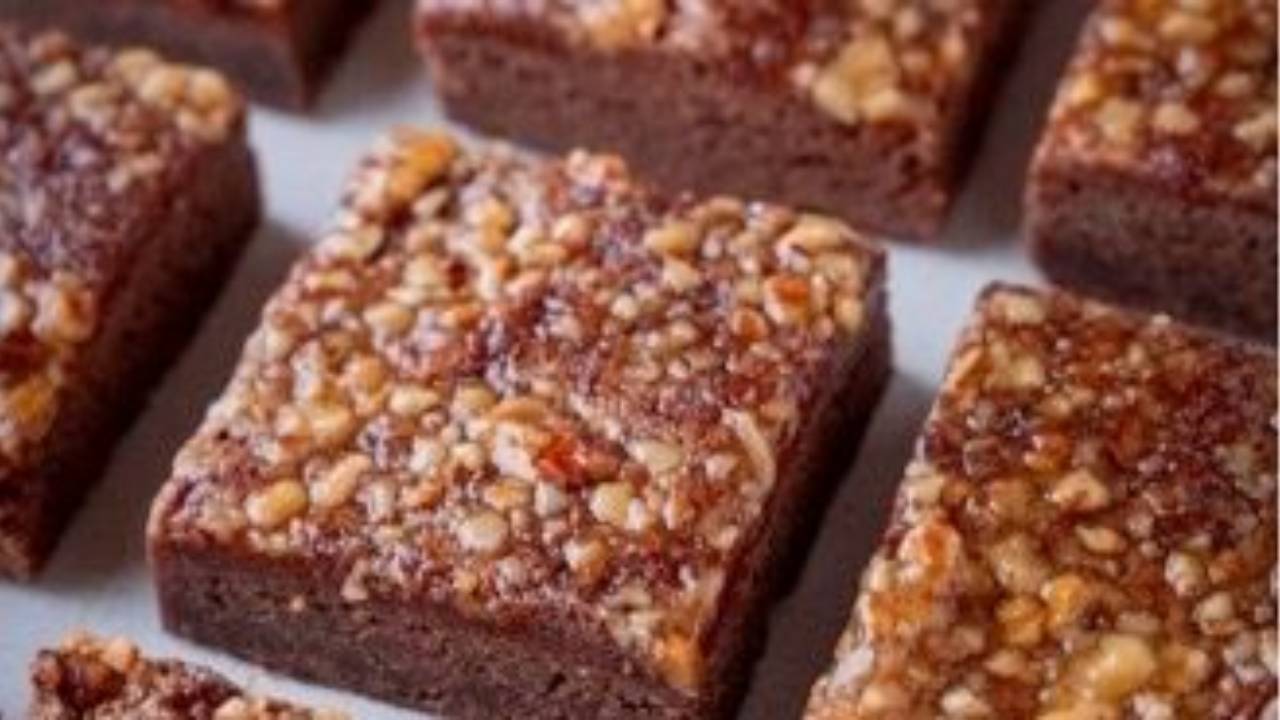
Some Chicago foods came from hunger and hustle. This one came from the Palmer Hotel kitchen, a socialite with a very specific request, and a lunch box problem nobody had solved yet. From the Loop to becoming a world wide favorite, because who doesn’t love a good brownie?
How It Became To Be
In 1893, Chicago was hosting the World's Columbian Exposition, a fair so massive it drew over 27 million visitors and introduced the country to things like the Ferris wheel and moving sidewalks. Bertha Honoré Palmer, wife of hotel magnate Potter Palmer, was serving as President of the Board of Lady Managers for the fair, essentially running the entire women's presence at the exposition. Part of that job meant putting together boxed lunches for the women attending the Women's Building.
Bertha wanted something for those boxes that wasn't just another slice of cake or pie. She was after a dessert that felt special, traveled well in a box, and could be eaten by hand without a fork or a plate. She brought the request to the Palmer House pastry chef, a man named Joseph Sehl, and asked him to build something denser and more decadent than a cookie, something built around chocolate.
Sehl went to work in the Palmer House kitchen and came back with a small, rich, fudge-like square, topped with a walnut and apricot glaze. It wasn't cake, it wasn't candy, and at the time, it didn't even have a name. It was just the chocolate square Bertha Palmer had asked for.
Where and When It Actually Got a Name
The dessert wasn't called a "brownie" in 1893. That word came later. The first known printed reference to a "brownie" in America shows up in a Sears Roebuck catalog in 1898, published right there in Chicago, five years after the fair. The dessert had already built a following by then, riding the popularity it picked up during the exposition, but the name we use today came almost as an afterthought.
That means the brownie spent its first several years as a nameless success story. People wanted it, word spread, and eventually the culture caught up and gave it a label.
Why the Palmer House Version Still Stands Out
If you've only ever had a boxed-mix brownie, the original recipe might surprise you. Most modern brownie recipes, which started showing up in cookbooks around 1904, follow a method of creaming butter and sugar together before folding in a small amount of melted chocolate. The Palmer House version does the opposite. It leans hard into chocolate and butter, using well over a pound of each in the original recipe, which is what gives it that dense, almost fudge-like bite instead of a cakier texture.
Top it with the walnuts and apricot glaze, and you get something that reads more like a hotel confection than a homemade treat, which makes sense, because that's exactly what it was built to be.
The Palmer House still serves brownies today using that same original recipe, more than 130 years later. Not a modernized version, not a reinterpretation. The same one Joseph Sehl came up with for a lunch box in 1893.
A Few Little-Known Facts
- The hotel itself has a dramatic backstory. Potter Palmer built the original Palmer House as a wedding gift for Bertha. It burned down just thirteen days after opening, a casualty of the Great Chicago Fire in 1871. Palmer rebuilt it as the world's first fireproof hotel, reopening in 1873.
- The Palmer House was a hub of "firsts" well beyond dessert. The hotel was among the earliest in the country to install telephones, electric lighting, and a working elevator, decades before those became standard hotel amenities.
- The Big Ten Conference has roots there too. Years after the brownie's debut, university representatives from around the Midwest met at the Palmer House to discuss forming what would eventually become the Big Ten athletic conference, an unrelated but genuinely surprising footnote in the hotel's history.
- 1893 was a big year for Chicago food history in general. The same World's Fair that brought us the brownie also introduced the country to Cracker Jack and gave a young Austrian-Hungarian sausage vendor named Emil Reichel his start, a business that would eventually become Vienna Beef.
- The name might be older than the Sears catalog suggests. Some food historians believe the term "brownie" was floating around informally before that 1898 print reference, tied loosely to the dessert's deep, dark color. Nobody has found solid evidence of an earlier printed use, so 1898 remains the marker most historians point to.
A Small Dessert With a Long Shadow
It's easy to overlook the brownie as a Chicago food, mostly because it doesn't come with the sandwich-counter drama of an Italian beef or the topping wars of a hot dog. But it's one of the clearest examples of how a specific, practical problem, in this case a socialite needing something easy to pack in a box, ended up creating one of the most universally loved desserts in the country. Nobody set out to invent an American classic, they just needed lunch to work a little better for one very important fair.
Stay connected with news and updates!
Join our mailing list to receive the latest news and updates from our team.
Don't worry, your information will not be shared.
We hate SPAM. We will never sell your information, for any reason.
