
The Art of Starting Over: American Food Versus the World (Part 2)
Jan 27, 2026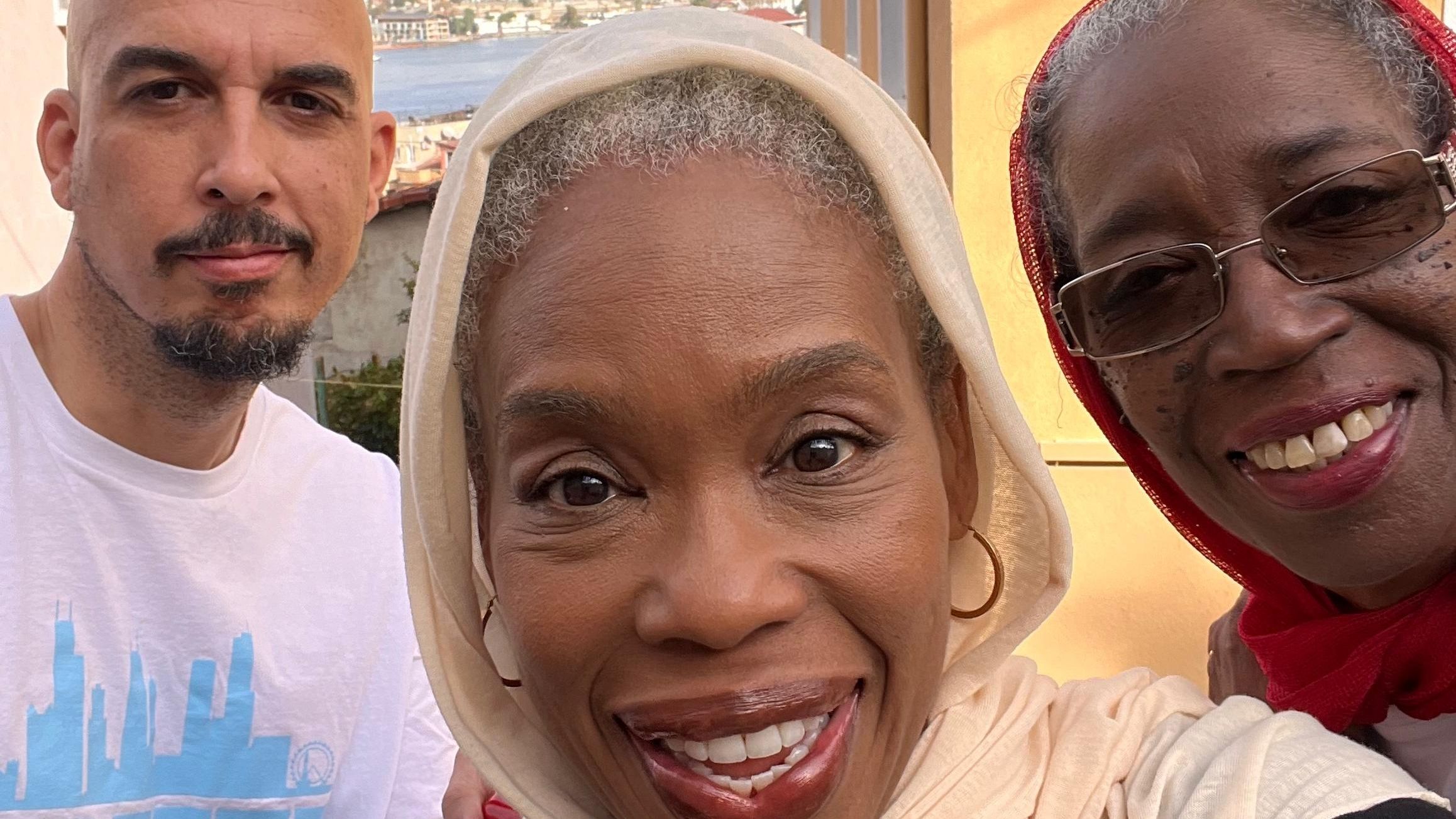
In Part 1 of this blog, I told you why I believe food is the fastest way to understand a country, and how living outside the U.S. has changed the way I think about life, time, and what we call “normal.”
I’m still on that same question I’ve been chasing since 2022: How do other countries live, and what does that reveal about how we live in the United States?
And what keeps standing out to me is this. In most of the countries I’ve lived in, food is fresh, delicious, nutritious, and it’s inexpensive. In Albania it is incredibly accessible. You can find fresh fruit and vegetables even in a low income neighborhood. A big part of that is because small businesses and small farms distribute food in a way the U.S. simply does not.
Grocery stores are smaller. Markets are more common. Food is bought more frequently. Restaurants are not treated like a luxury, but as a place to see my neighbors and eat my traditional food.
I still have a few more countries I want to tell you about.
Mexico
Mexico is good for vacation. I've been there four to five times in my life and at a resort it’s fun, food is ok, but the weather is perfect.
But living in Mexico did not work for me when it came to food. A lot of food felt low quality and low nutrition. At restaurants it didn’t seem to be made with love. It was meat-forward, and not always high quality meat. The grocery stores felt limited in a way I didn’t expect.
Mexico is American, so it takes a lot from the United States, but it doesn’t have the same food guidelines. I’m used to it now because many countries do it, but a lot of things are left out in the open and things are not as sanitary as we expect them to be as U.S. citizens.
The food was just part of it. The locals preyed on us trying to sell us things we didn’t want because they view us as rich. In one place we stayed, there was an abandoned building across from us. Homeless people had moved into it. It was unsightly and depressing, and it affected me more than I wanted it to. It was a paradox to have a brand new fancy building across from the abandoned building.
I was told that once the squatters move into your building there is nothing you can do to get them out. The government doesn’t have a process for it, so many developers get stuck halfway through construction and lose their entire investment. LIke I said living in Mexico wasn’t for me so I left after only a month.
Turkey
I headed back to the US after Mexico but Turkey was my next stop and it was surprisingly amazing. I was drawn there for some reason, not sure why. But I know I felt calm and at home there. In Turkey, I had to ask myself if I was half African and half Turkish. It is one of the most underrated places I’ve been. More people should visit.
My time there was special because it came at a time when I needed to heal. If you are a longtime Bronzecomm reader you know that my father passed away on October 1, 2023. It was the day after I returned home from Mexico.
My mom turned 70 that same week, and after we got through the memorial, I wanted to do something meaningful with her. We ended up going to Turkey, and it became a part of our healing. It is hands down the most incredible food I’ve ever had. Simple and delicious. Soups, sauces, meats, and even fish that was so fresh.
The grilled meats; lamb, chicken, beef and no pork because it’s a Muslim country. The rice. The way they grill peppers and onions was even tasty. The flavors are deep without needing to be spicy. Turkish food uses spices, but it isn’t spicy. It’s one of the best food cultures I’ve experienced.
And because Turkey is a Muslim-majority country, it was easy for us to eat there. No pork. No confusion. No constant checking. I’m sure pork eaters would be disappointed in that part, but I think you might forget because everything is so good and fresh.
This blog is getting long, but I want to tell you a story that still makes me laugh. I’ll tell you here, but I also tell it on my podcast. It’s also a two parter. Here are the links:
So the story goes, on our first or second day in Istanbul, a little girl ran up to me, hugged me tight, grabbed my hand, and pulled me across the street. I gestured to my mom and Jason and we all decided to go ahead and follow her.
She led me into a shop, pointed at a rotisserie chicken, and looked at the shop owner. She said please, please, please.
In Turkish, he asked me if I wanted it and I said yes. I thought maybe this was his daughter and she was a really good salesperson.
But no.
The man then wrapped the chicken up and handed it to the little girl. Then he turned to me for the money. She said thank you, thank you, thank you, and gave me another hug.
I paid, because it was only about three euros, but I looked at Jason and my mom like, “Did I just get played?” She didn’t know much English, but she knew how to spot a sucker out of a crowd.
Yes, I was the sucker. Yes, I did get played. But her game was so good that I wasn’t even mad. She tried it again the next day, though. But once was enough for me. I told her, no ma’am. One time only. I wasn’t sure if the man was in on it. But I forgave him too, because his food was so good. We kept going back to that man’s shop almost everyday. The food was so good, he was really kind, and the three of us could eat for $12. And some nights we had left overs for lunch the next day.
He didn’t speak English either, but he worked hard to communicate with us. By the end of our time there we felt like friends. We told him goodbye on our last night and he welcomed us back.
Monaco
Monaco is expensive for no reason, unless you know a local. And when I say a local, I mean someone born in Monaco. Not a millionaire who moves there for tax purposes. Luckily I know both.
There are ways around the glitz and glamour, but most people like being in those places. It makes them feel special. I don’t feel special when I pay three euros for a one euro croissant. I feel like I’m being played and they don’t even say please, thank you, and give you a hug like the little Turkish girl did.
In Monaco there are restaurants and places that are more grounded, especially if you find the spots owned by a monegasque. But you’ll not likely spot them because they aren’t on the main roads.
I’ll tell you more on my TikTok and YouTube page but Monaco has a very tight social services system for the monegasque. They are well taken care of and in return they take good care of the guest. I talk about it in those podcast episodes I mentioned. Part 1 and Part 2
By guests I mean the wealthy who move there, usually as a second home, not the tourists. Because overall, Monaco is luxury, branding, and inflated pricing. They know people come there and expect to pay a lot, again for no reason. Most people don’t usually meet a real local, but I got lucky. I have one in my network.
Most of my friends aren’t locals so I also have to overpay for salmon and chicken if I want to hang out with them.
When in Monaco…do as the expats do. I guess!
What I mean by that is…in Monaco they all dress the same, drive the same cars, and frequent the same places. They are all afraid to step outside the lines. This goes for the locals and the guests. The guests, as I call them, may be financially free, but they aren’t mental and emotionally free.
They complain about their loneliness, but they aren’t really ready to be the first to shift. Let’s just say a Financial Therapist would go broke there, and that’s why I left.
Malaysia
If you care about food, Malaysia deserves its own chapter, particularly, Kuala Lumpur, Malaysia. It is my favorite overall food experience. It is a foodie’s dream. I”m not a foodie and even I have to say, it does everything well.
You can get almost any kind of food in Kuala Lumpur and it will be good. Malaysian of course, but also Indian, Japanese, Chinese, Korean, even Indonesian. But don’t stop there, we had awesome French food, Fish & Chips, Mediterranean food, and the list goes on.
They have incredible pastries and all kinds of dessert. Great everything, including coffee. They are right behind Thailand with coffee. The absolute best drink is there coconut water. It’s so pure and fresh.
It’s also a Muslim-majority country, so halal food is common, and pork is clearly labeled when it’s present. Again, that makes life easier for me. One thing you have to get used to is that some food is lukewarm because street vendors cook in one place and serve in another place without the same warming systems we’re used to.
Nine months wasn’t long enough for me to get used to that. I still love hot food.
Also, the hygiene standards can look different from what Americans expect. It’s not that they are dirty or nasty, it’s just that they are more about getting the food to you and that might mean putting it in a bucket or serving it in a container with plastic wrap. It’s not fancy, but it’s usually really good.
The thing I learned in the Asian countries is that they are not about pleasing the customer. They want you to be happy. But they are more dedicated to efficiency and doing what works.
Most restaurants are what we in the U.S. call “a hole in the wall.” That’s common in Malaysia. Actually it is in Thailand too. Someone might turn their garage or their pick-up truck into a restaurant or cafe.
And grocery shopping in Malaysia is another reminder that small businesses run food. You can eat well without feeling like you have to plan your life around it. The food is easy to get, easy to afford, and it tastes like it came straight out the ground or from the pasture just a few days ago.
Why “messy” matters
My travels are teaching me something that deep down inside I’ve known for a long time, but my United States of America programming had me fooled.
Success is not about perfection.
Most of the places I’ve visited have successful business owners but most of them are not built around perfection. They also may not be considered wealthy, but they are successful. Many of them are happy and even if they aren’t completely happy they still smile and move through life.
They’re businesses are built around momentum, passion, and creativity. Scrappy is the norm.
In many countries, stores open when they open. They close when they close. If the food runs out, they close. It is not a crisis. There’s no urgency.
In the U.S., we act like everything is a crisis and like everything has to be “right” before we can be successful, or even get started in some cases.
But in real life, in other countries, you start, and then you refine.
Over the years, my travel style changed. At first, we were moving too fast, staying two or three weeks in places. It became excruciating and overwhelming, so we had to make some changes. When you watch videos on YouTube people don’t talk about the decision fatigue of nomading.
Most people don’t have to think through every decision because they make a lot of the same decisions every day without thinking. But when you’re living in new places constantly, you have to make a thousand decisions that used to be automatic.
Where do we get food? How do we get around? What is allowed or customary here? How do we communicate without knowing the language? How do we solve problems without knowing the system? That variety can be mentally taxing.
So that’s why we started staying longer, we slowed down. That’s why we call it “slomading” now.
This whole process taught me something I want you to hold onto if you’re starting over. Waiting for perfect conditions is a trap. It keeps you unhappy, and it keeps you in excuse mode. You have to give yourself permission to be messy while you build. Not reckless. Not careless. Just messy.
You’ll figure it out as you go. You will be surprised how resourceful you become. Especially if you make sure you are taking care of yourself along the way. You leave room for mistakes and you learn to trust yourself more each day.
Thinking about what’s next?
You don’t have to start your whole life over. Just choose a place to start. I’m starting to chronicle my journey here in this blog with you and on my podcast if you like listening to progress, tune in.
Check out my new podcast for the more detailed audio version of this blog. You can listen to this one and other episodes about my travels and my starting over journey here:
https://www.kinecorder.com/podcasts/what-keeps-you-up-at-night
Stay connected with news and updates!
Join our mailing list to receive the latest news and updates from our team.
Don't worry, your information will not be shared.
We hate SPAM. We will never sell your information, for any reason.
