
She Drew a World We Had Never Seen Before
Mar 25, 2026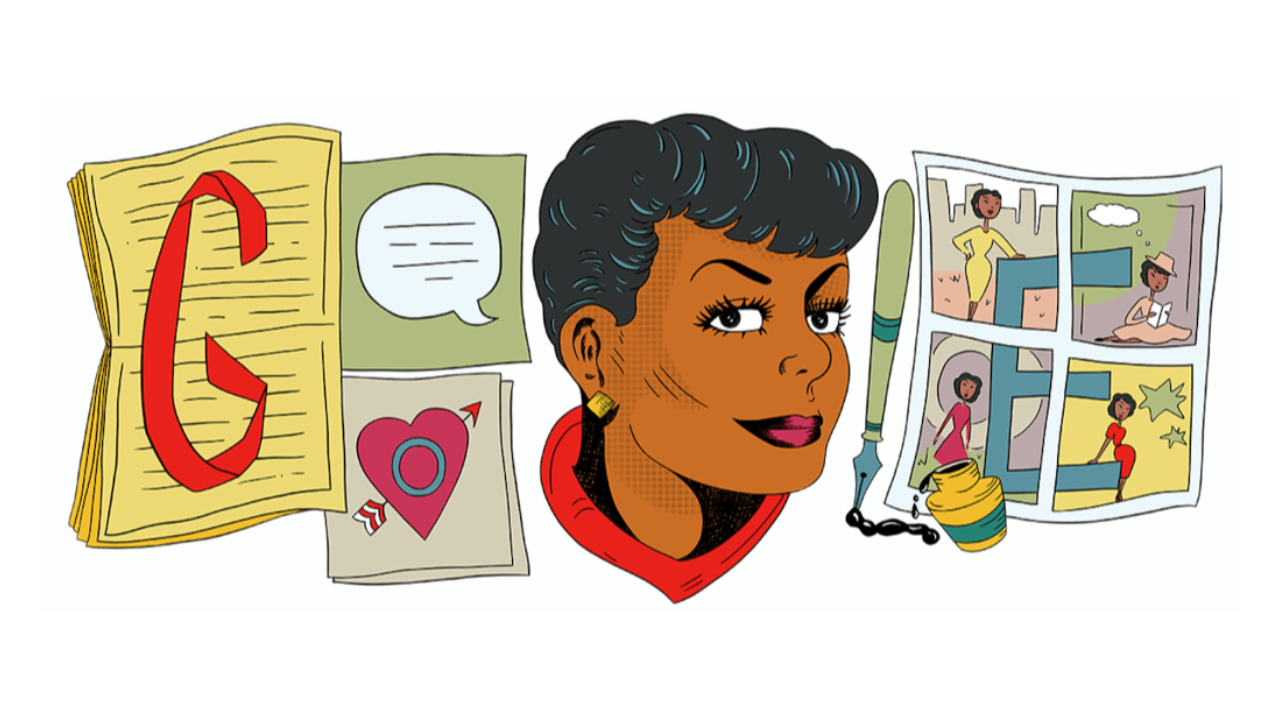


There was a time in America when Black women were rarely seen—and even more rarely understood. When they did appear in newspapers, on pages, or on screens, they were often reduced to something smaller than themselves. Background figures. Caretakers. Caricatures. Never the center of the story.
But in 1937, a young Black woman picked up her pen and quietly began to change that. Her name was Jackie Ormes and with ink and imagination, she created a world that didn’t yet exist—but should have.
She didn’t announce herself as a revolutionary. She didn’t have to. You could see it in her drawings. Women who walked with confidence. Women who dressed with intention. Women who spoke their minds, asked questions, traveled, loved, laughed, and lived full, complicated lives. Women who looked like us—but were rarely allowed to be seen that way.
Her characters—Torchy Brown, Patty-Jo, Ginger—didn’t wait for permission to exist. They simply did.
Torchy moved through the world with a kind of grace and boldness that felt both familiar and radical. Patty-Jo, small in size but sharp in voice, said the kinds of things that made people pause. And Ginger, elegant and poised, reminded readers that beauty and intelligence were not separate things. Together, they told a story America wasn’t used to hearing. And that made people pay attention.
But Jackie Ormes wasn’t just drawing pretty pictures. She was telling the truth.
She used her comics the way others used speeches. Through humor, fashion, and everyday conversation, she spoke about injustice, inequality, and the contradictions of American life. Long before people had language for things like environmental racism or political hypocrisy, Ormes was weaving those ideas into her work—quietly, cleverly, and without apology. You could read her comics for the style but if you were paying attention, you stayed for the message.
In 1947, she took that vision even further. She created the Patty-Jo doll—one of the first Black dolls in America modeled after a real, fully developed character. Not a stereotype. Not an afterthought. A reflection. The doll wore fashionable clothing, carried herself with dignity, and looked like she belonged in the world. Because she did. And so did the little girls who saw themselves in her.
But when you tell the truth in a world that isn’t ready for it, people notice.
During the height of the Red Scare, when suspicion and fear were being used as tools of control, Jackie Ormes became a person of interest. The FBI opened a file on her. Not a page or two. A file that grew to hundreds of pages. Imagine that. A Black woman, drawing comics. Watched. Tracked. Documented. Not because she was dangerous in the way we’re taught to define danger—but because she had influence. Because she was shaping how people thought, how they saw themselves, how they questioned the world around them. Because she was powerful in a way that couldn’t be easily controlled. And still, she kept creating. Through personal loss, through pressure, through a world that didn’t always recognize her brilliance, she continued to draw, to imagine, to tell stories that needed to be told.
By the time she passed in 1985, her name had grown quiet in the public conversation. Not erased completely—but not where it should have been. Not spoken often enough. Not taught widely enough. Not remembered in proportion to what she gave. But here’s the thing about truth. It has a way of finding its way back.
Bronzecomm Takeaway
Jackie Ormes didn’t just draw comics. She drew possibility. She gave us images of ourselves that the world wasn’t ready to offer. She told stories that made people think, laugh, and look a little closer. She created space. And now, it’s time we make sure she keeps it.
Check out the Ikemefuna History TV Facebook post outlining Jackie Ormes' story.
Stay connected with news and updates!
Join our mailing list to receive the latest news and updates from our team.
Don't worry, your information will not be shared.
We hate SPAM. We will never sell your information, for any reason.
