
Riverdale - A Neighborhood at the Edge of the City but Core to the Story of Chicago
Dec 11, 2025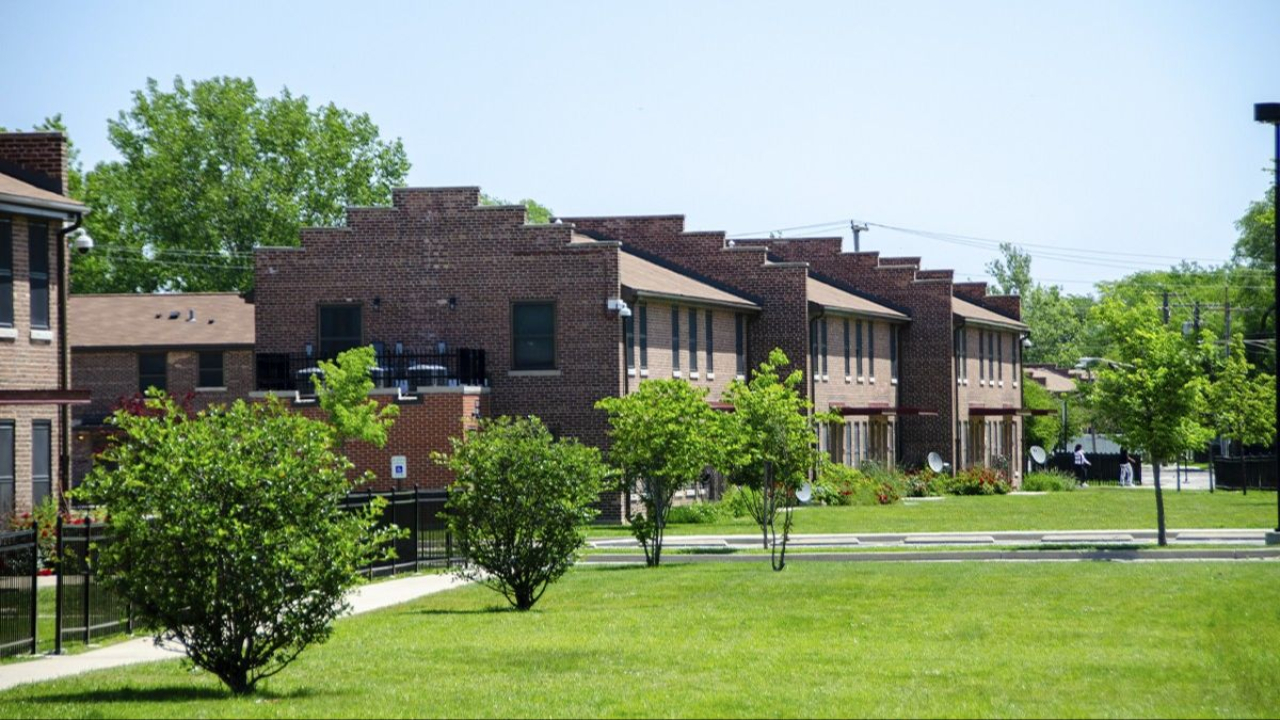
Introduction
Riverdale, Community Area 54, sits at the far southern edge of Chicago where the city meets the Calumet River system and the industrial corridors that once powered much of the region’s economy. The neighborhood is defined by 115th Street to the north, the Little Calumet River to the south, the Bishop Ford Freeway to the west, and the Indiana state line at its far southeastern extent. Wide stretches of open land, rail yards, historic industrial sites, and one of the largest public housing complexes in the city give Riverdale a unique identity shaped by work, water, migration, and resilience.
Trivia Question
What major rail yard in Riverdale became one of the most important freight hubs in the nation during the twentieth century?
(Answer at the end of this post.)
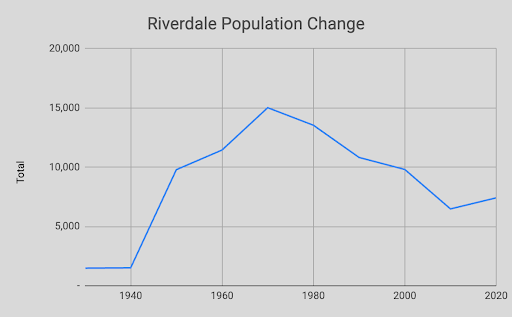
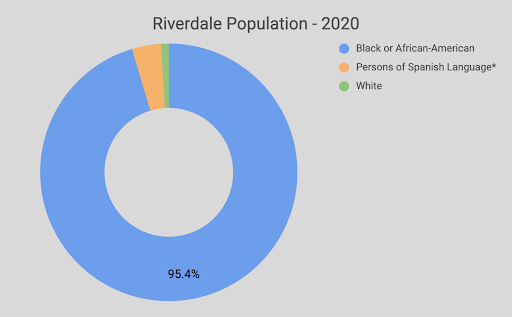
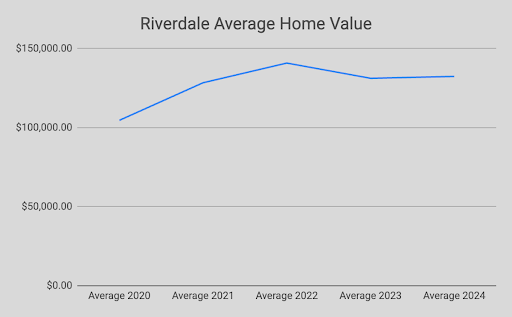
Riverdale by the Numbers
Origins and Early History
Riverdale’s history stretches back to the mid nineteenth century when the Calumet region was still largely wetlands, marshes, and open prairie. Its location along the Calumet River made it a natural corridor for industry, transport, and settlement. Early canals and rail lines built through the region helped link Chicago to steel mills and factories across the southern Great Lakes.
By the 1870s and 1880s, railroad companies established large yards and switching facilities along the riverbanks. These developments attracted laborers from across the Midwest and new immigrants from Europe who were drawn by the availability of industrial jobs. Small worker communities grew around the tracks and the river, setting the stage for the neighborhood that would eventually become Riverdale.
Although Riverdale was formally absorbed into Chicago in the late nineteenth century, much of its land remained undeveloped, rural in character, or tied to industrial operations. This gave the area a distinct identity compared to the denser neighborhoods closer to the city center.
Transformation and Evolution
Riverdale transformed significantly in the twentieth century. The rise of the steel industry in nearby communities like South Chicago, Burnside, and the Calumet mills created job opportunities for thousands of families. Many workers settled in and around Riverdale due to its proximity to rail networks and industrial corridors.
The Great Migration had a profound effect on Riverdale. Beginning in the 1910s and continuing through the 1960s, Black families from the rural South moved to Chicago in search of economic opportunity and refuge from Jim Crow segregation. Riverdale saw some of its most significant demographic changes during this period, especially with the construction of large public housing developments such as the Altgeld Gardens Homes in the 1940s.
Altgeld Gardens was built to house Black defense workers employed in wartime industries. It became home to generations of families and played an important role in Chicago’s cultural and political life. Over time, Riverdale faced environmental challenges linked to its industrial landscape, but it also developed a strong tradition of community leadership and activism.
Altgeld Gardens was once surrounded by more than 50 documented industrial waste sites, landfills, and sewage operations. This concentration of environmental hazards is what led Hazel Johnson to start People for Community Recovery in 1979, making Riverdale a key origin point for the national environmental justice movement.
Historical Landmarks and Structures
Altgeld Gardens Homes
Constructed in 1945 for Black wartime workers, Altgeld Gardens is one of Chicago’s most historically significant public housing communities. It has been home to influential leaders, activists, and artists, and has long been a center of community life in Riverdale.
Carver High School (George Washington Carver Area High School)
Founded in 1947, Carver High School has been an important educational anchor for generations of Riverdale residents. It has produced notable alumni and supported the neighborhood through decades of change.
Calumet River Industrial Corridor
A key feature of Riverdale’s landscape, this corridor includes historic industrial sites tied to steel production, shipping, and rail transportation.
Chicago Housing Authority Administration Building (Historic)
While not as widely known, the CHA complex that supported Altgeld Gardens has historical significance tied to mid twentieth century public housing planning.
Historical Figures from Riverdale
Hazel M. Johnson
Known as the “Mother of Environmental Justice,” Hazel Johnson was a longtime resident of Altgeld Gardens and the founder of People for Community Recovery. Her activism brought national attention to environmental contamination in Black communities and influenced the creation of the federal Environmental Justice program under the EPA.
Renaldo “Obie” Benson
Singer and member of the iconic Motown group The Four Tops. Benson lived in Altgeld Gardens during his youth. He later co wrote “What’s Going On,” one of the most important songs in American music history.
Michael Madigan (Early Years)
The longtime Illinois House Speaker spent part of his early childhood living in the Altgeld Gardens area before his family moved to the Southwest Side, though he is not a Riverdale product in the cultural sense.
Community Organizers of Altgeld Gardens
Riverdale has produced numerous activists, youth leaders, and organizers who have led environmental, housing, and economic justice movements across Chicago.
Historical Events
Construction of Altgeld Gardens (1945)
Built for Black wartime workers, Altgeld Gardens played a pivotal role in shaping Riverdale’s demographic and cultural landscape.
Environmental Justice Movement (1970s 1990s)
Hazel Johnson’s investigations into asbestos, contaminated drinking water, and hazardous waste sites made Riverdale a focal point of the national environmental justice movement.
The Rise of the Rail Industry (Early to Mid 20th Century)
Massive rail yards in Riverdale played a major role in Chicago’s reputation as the freight capital of the world. The yards connected factories, steel mills, and shipping routes across the Midwest.
Public Housing Transitions (Late 20th Century to Present)
Shifts in CHA policy and reinvestment efforts have shaped Altgeld Gardens and surrounding areas, influencing community stability and redevelopment efforts.
Conclusion
Riverdale is a neighborhood defined by industry, resilience, and community leadership. Its history touches labor, environmental justice, migration, public housing, and Chicago’s century long role as an industrial powerhouse. While its landscape is different from most of Chicago’s 77 community areas, its contributions to national history are significant and enduring.
Riverdale continues to evolve, shaped by the people who have long called it home and those who are fighting for a healthier, more vibrant future.
Trivia Answer
The Yard Center, also known as the Illinois Central Yard (IC) was crucial to the development of Riverdale, Chicago, arriving around 1852 and becoming a major industrial driver and facilitating the Great Migration. The IC is now part of the Metra Electric line with a key station at 137th Street.
Stay connected with news and updates!
Join our mailing list to receive the latest news and updates from our team.
Don't worry, your information will not be shared.
We hate SPAM. We will never sell your information, for any reason.
