
Pullman: A Community That Shaped America
Dec 03, 2025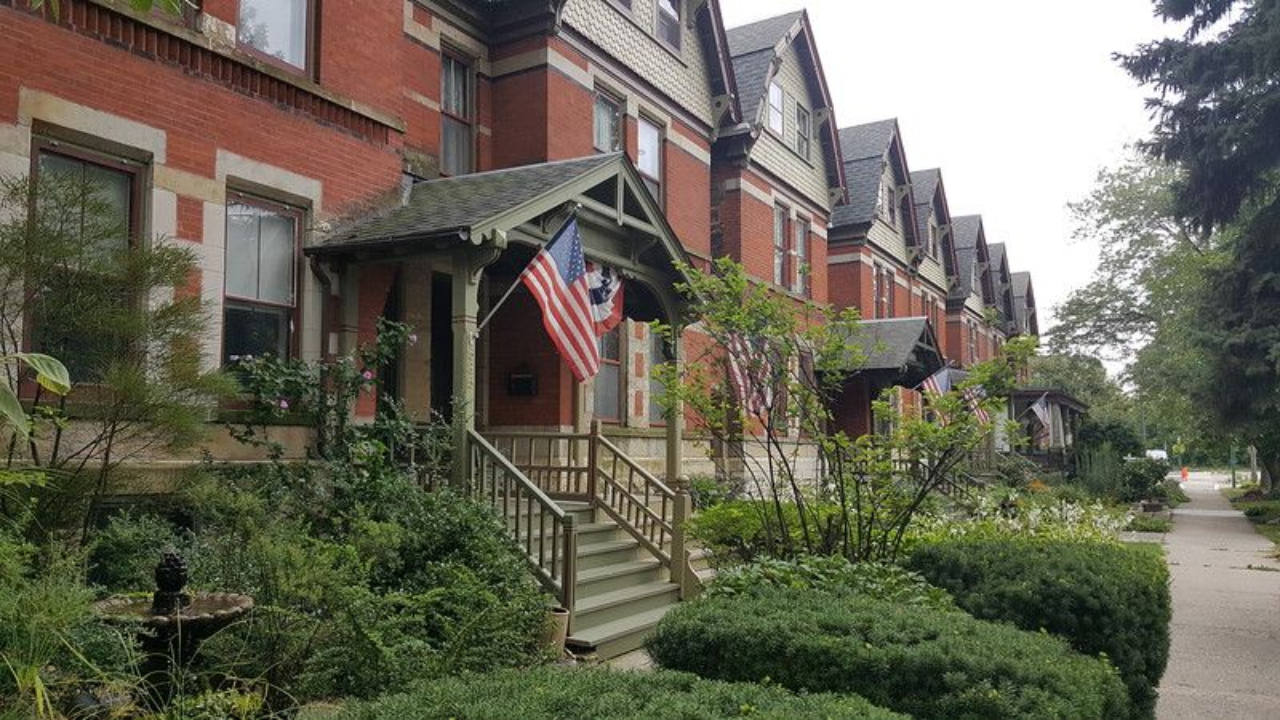
Introduction
Pullman, Community Area 50 on Chicago’s far South Side, is one of the most historically significant neighborhoods in the United States. Defined by 95th Street to the north, 115th Street to the south, Cottage Grove Avenue to the west, and the Bishop Ford Freeway to the east, Pullman was conceived in the 1880s as a model industrial town. What happened there shaped labor rights, urban planning, racial history, and American manufacturing for more than a century.
Trivia Question
Which landmark structure in Pullman was restored after a devastating fire in 1998 and now anchors the Pullman National Historical Park?
(Answer at the end of the article.)
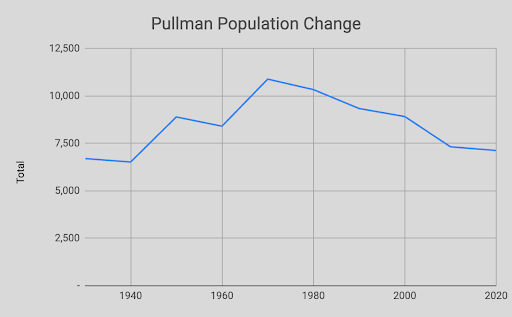
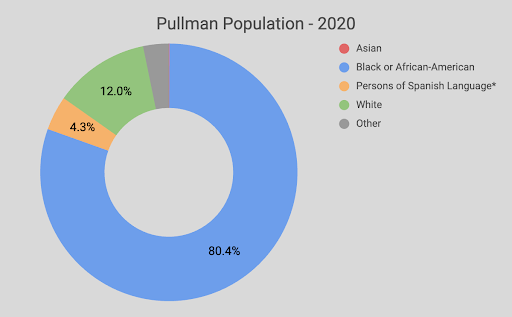
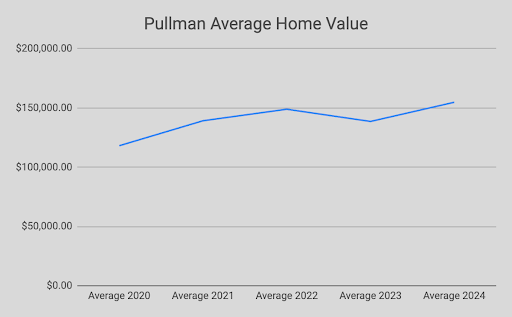
Pullman by the Numbers
Origins and Early History
The story of Pullman begins with George M. Pullman, a visionary industrialist who built luxurious sleeping cars for America’s rapidly expanding railroad system in the late nineteenth century. His success was monumental. To create a stable workforce, Pullman purchased 4,000 acres of prairie and marshland and constructed a planned community that he believed would eliminate the social problems associated with urban industrial life.
Pullman built brick housing, parks, a market hall, churches, and a grand hotel. Sewage and garbage systems were advanced for their time, and the architecture reflected the work of prominent designers such as Solon Spencer Beman and landscape architect Nathan Barrett. The town opened in 1881 and instantly became a global model for industrial urban planning.
Pullman was home to one of the earliest experiments in integrated industrial craftsmanship. In the nineteenth century, many of the highly skilled workers who made up the Pullman Company’s workforce were European immigrants trained in carpentry, upholstery, metalworking, and mechanical repair. Their craftsmanship turned Pullman railcars into icons of America’s golden age of travel.
Yet Pullman’s vision came with heavy control. Workers rented their homes from the company, lived under strict behavioral expectations, and had little voice in the town’s governance. When the Panic of 1893 hit the nation and Pullman slashed wages while keeping rents the same, tension erupted into one of the most important labor conflicts in American history.
Transformation and Evolution
The historic Pullman Strike of 1894 changed everything for the neighborhood. Led by the American Railway Union and its president, Eugene V. Debs, the strike spread across the country, halted rail traffic, and resulted in federal intervention. Although the strike was ultimately crushed, it marked a turning point in the labor movement and helped usher in new conversations about workers’ rights, corporate power, and economic fairness.
In 1898, the Illinois Supreme Court ruled that the Pullman Company had to sell its residential holdings. Pullman the town became part of Chicago. Over time, Pullman evolved into a working class neighborhood tied closely to the rail industry and to other expanding manufacturing sectors on the South Side.
By the mid twentieth century, Pullman experienced demographic shifts as Black families moved into the neighborhood, particularly following World War II. Many had migrated from the South during the Great Migration and found stable work in nearby factories and on the railroads. Pullman, like many Chicago neighborhoods, diversified as industry boomed but faced hardship as factories began to close in the 1960s and 1970s.
Today Pullman is experiencing a renaissance rooted in its historic value and new investment. It was named a National Monument in 2015 and is now recognized as Pullman National Historical Park, drawing visitors, historians, and preservationists from around the world.
Historical Landmarks and Structures
Hotel Florence
Built in 1881 and named after George Pullman’s daughter, the hotel served as a guest house for visiting dignitaries, suppliers, and executives. It remains a cornerstone of the historic district and a testament to the luxury Pullman hoped to associate with his brand.
Pullman Factory Complex
The original railcar factory, designed by Solon Beman, stretched the length of multiple city blocks. This is where Pullman porters, engineers, craftsmen, and machinists helped produce the cars that became famous across North America.
Greenstone United Methodist Church
Named for its distinctive green ashlar stone exterior, this church was completed in 1882 and remains one of the most architecturally striking structures in the neighborhood.
North and South Pullman Rowhouses
These residences showcased the social stratification of the model town. Workers of different ranks were assigned homes that varied in size and design yet maintained architectural harmony throughout the area.
Historical Figures from Pullman
George M. Pullman
Founder of the Pullman Company and creator of the model industrial town that bears his name.
Eugene V. Debs
Although not a resident of Pullman, Debs played a pivotal role in the neighborhood’s history. As president of the American Railway Union, he organized the Pullman Strike, making Pullman a focal point of national labor reform.
- Philip Randolph
Civil rights leader and founder of the Brotherhood of Sleeping Car Porters, the first successful Black labor union in American history. Randolph worked closely with Pullman porters across the country and visited Pullman frequently, though he did not reside there.
Pullman Porters and Their Families
Thousands of Black men and women whose work and activism helped advance labor rights and civil rights. Their presence created an enduring legacy intertwined with Pullman’s identity.
Historical Events
Construction of the Model Town (1880s)
Pullman became the most prominent example of a planned industrial community in the United States and was widely studied by architects, planners, and social reformers.
The Pullman Strike of 1894
A watershed moment in American labor history. The strike spread nationwide and resulted in clashes that influenced federal labor policy and union organizing for decades.
Annexation to Chicago (1889)
Pullman was officially incorporated into the city, ending its era as a privately controlled company town.
Designation as a National Monument (2015)
Pullman became the first National Park Service site in Chicago, elevating its national importance and sparking significant investment in restoration and tourism.
Current Trends and Redevelopment
Pullman has undergone a steady revival in recent years. The designation of the Pullman National Historical Park has attracted federal support, private investment, and a wave of heritage tourism. Former industrial land has been repurposed, including the site that now hosts the Method soap factory and the Gotham Greens greenhouse. These modern developments build on the neighborhood’s industrial roots while supporting new forms of sustainable manufacturing.
Residential blocks have seen increased interest from preservation-minded homeowners. The restored rowhouses of North and South Pullman preserve the architectural language of the original model town while offering residents a unique historical setting.
Community organizations continue to honor the legacy of the Pullman porters and the labor movement through educational programs, murals, walking tours, and public history events. Pullman remains one of the few neighborhoods in Chicago where nearly every street corner holds a story that shaped America.
Conclusion
Pullman is a neighborhood with a rare place in American history. It began as a bold social experiment, became the center of a national labor movement, supported generations of craftspeople and rail workers, and later became a landmark of civil rights and industrial heritage. Today it continues to evolve while honoring its past. Pullman is a living history lesson in urban planning, labor rights, race, architecture, and the power of community.
Trivia Answer
Answer: The Pullman Administration Building and its clock tower. One of the most iconic structures in the neighborhood, the Administration Building served as the nerve center of the Pullman Company. After a catastrophic fire in 1998, the building was restored and now functions as the visitor center for the Pullman National Historical Park.
Stay connected with news and updates!
Join our mailing list to receive the latest news and updates from our team.
Don't worry, your information will not be shared.
We hate SPAM. We will never sell your information, for any reason.
