
Madam Seay: The Chicago Milliner Who Carried Bronzeville Style to Harlem
Jan 28, 2026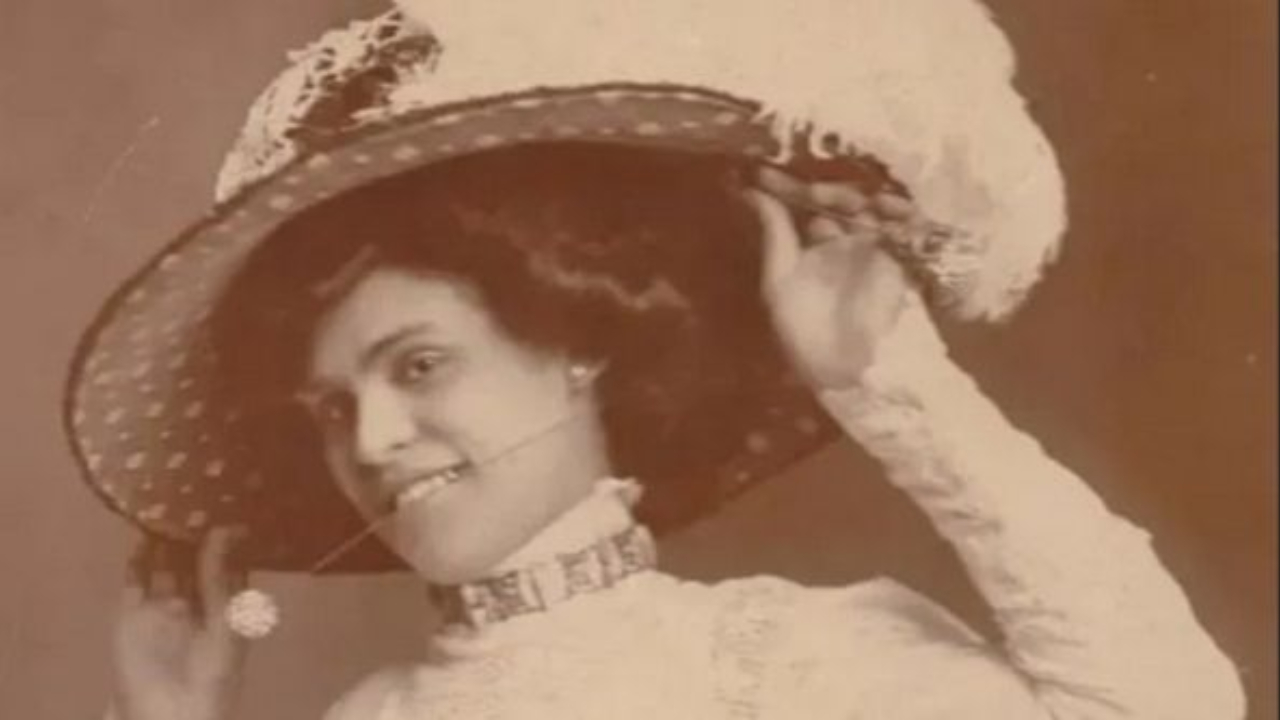
Chicago has always had women who built whole worlds with their hands, their taste, and their nerve. Madam Seay was one of them.
In the early 1900s, if you were a South Side woman trying to step out looking like yourself and like your future, you heard her name. “Madam Seay” was the professional identity of Maude Mae Rubey, later known as Maude Seay Dixon Myers. She was born in Macon, Missouri, in 1884, and later became known for a millinery business whose reputation reached far beyond Chicago.
From Macon to Chicago: a mind for business and a gift for style
Records and historical mentions place Maude’s early life in Missouri, and one widely cited account notes she later studied at Northwestern University before launching her Chicago business. While documentation on every detail can be scattered (as it often is for Black women entrepreneurs of that era), what is clear is that by the late 1900s and early 1910s, “Madam Seay” had become a public figure on Chicago’s South Side.
She learned her craft through professional training. One account notes she studied millinery with Griffin & Company, described as a French millinery firm, and used that expertise to build her own brand.
Seay Millinery on State Street: “quiet luxury” before the phrase existed
In 1908, Maude and her then-husband Frank Seay established Seay Millinery in Chicago—built on her designs and her eye for what women wanted. This wasn’t “hustle culture.” This was craftsmanship, client relationships, and reputation.
A 1909 mention in The Broad Ax described Madam Seay as “very popular and well known” among the “best class” of Black Chicagoans on the South Side, praising the hats she kept on hand—“the finest and most fashionable”—and emphasizing that they were her own creations.
That detail matters. It tells us why she was known. Madam Seay wasn’t simply selling hats. She was building an image economy for Black women who were navigating a city that tried to limit their possibilities. Her shop offered more than fashion. It offered dignity, presence, and choice.
Even years later, her name still carried weight. A Hyde Park Historical Society profile describes her millinery enterprise as highly successful and notes she was dubbed “The Queen of Milliners,” with a reputation that stretched “from Chicago to San Francisco.”
Love, music, and another public chapter
Madam Seay’s life also intersected with the creative class of the era. In 1912, she married William H. “Will” Dixon, a Chicago-connected musician and composer who also worked in New York’s music scene and died young, in 1917.
Their daughter, Francesca Alfreda Dixon (“Frankye”), later became a highly accomplished pianist and educator. One source notes Frankye was born in 1915 and went on to a career that included teaching and writing in Harlem cultural life.
So even before Harlem fully becomes the next chapter, Chicago is already in the foundation: style, ambition, and the arts.
Harlem years: society, property, and the business of stability
At some point after her Chicago millinery success and after being widowed, Maude relocated to Harlem and married Captain Alonzo “David” Myers, a veteran of the 24th Infantry (per one compiled history).
In Harlem, she moved into real estate, buying and selling buildings. A separate reference connected to urban history scholarship also describes her involvement in Harlem property and notes claims that she took real estate classes at Columbia University and held leadership roles connected to an apartment building at 312 Manhattan Avenue.
In other words: Madam Seay didn’t just move to Harlem. She invested in it.
By the 1940s, Maude and her daughter were living at the Rochambeau Apartments at 312 Manhattan Avenue, and Maude died in 1957.
Stay connected with news and updates!
Join our mailing list to receive the latest news and updates from our team.
Don't worry, your information will not be shared.
We hate SPAM. We will never sell your information, for any reason.
