
Lupita Nyong’o’s Fibroid Battle Highlights a Women’s Health Mystery
Mar 11, 2026
Award-winning Kenyan actress Lupita Nyong’o has revealed that she has more than 50 fibroids in her uterus, a condition that has caused years of pain, heavy bleeding, and other health challenges. She first discovered them years ago and now works to raise awareness and support research for better treatments.
Nyong’o initially thought her symptoms were normal. She experienced fatigue, pelvic pain, and heavy periods for years without realizing anything was wrong.
“I didn’t understand my body. I didn’t know what was going on,” she told TODAY.com.
Her routine check-up changed everything. An ultrasound revealed about 30 fibroids in her uterus. Doctors offered her two options — live with the pain or undergo surgery. Nyong’o chose a myomectomy to remove them.
Twelve years later, the fibroids have returned — this time more than 50. Despite surgery, her symptoms came back, leaving her frustrated and searching for alternatives.
“They’re going haywire in my body, and nobody is helping. Nobody knows what to do to mitigate them,” she said.
To expand treatment options, Nyong’o partnered with the Foundation for Women’s Health. Together they launched the #MakeFibroidsCount campaign, which helps fund research into non-invasive treatments and encourages people with fibroids to share their stories.
A Condition That Disproportionately Affects Black Women
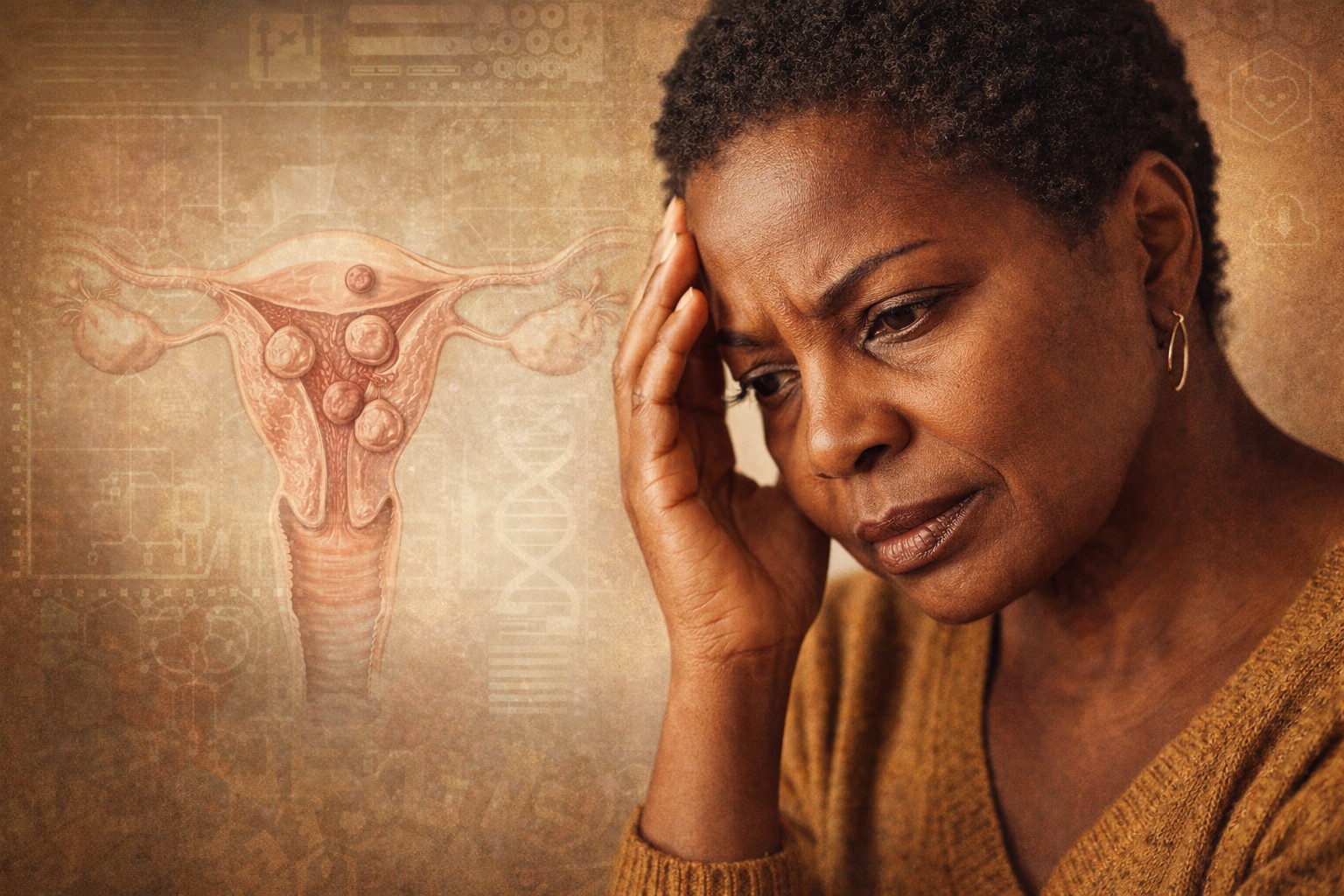
Fibroids affect an estimated 40% to 80% of people with uteruses during their lifetimes. Yet Black women experience them more often, at younger ages, and with more severe symptoms than any other racial or ethnic group.
Studies show that Black women are also more likely to develop multiple fibroids, larger fibroids, and complications that lead to surgeries such as hysterectomies. Despite this disproportionate impact, researchers still do not fully understand why the condition is more common and severe in Black women.
A Common Condition With Too Few Answers
One of the most frustrating realities about fibroids is that their exact cause remains unknown. Scientists believe hormones, genetics, and environmental factors may play a role, but there is still no clear explanation for why they form in the first place.
Even though millions of women experience fibroids, research into the condition has historically been limited. Treatment options are also relatively narrow. Many women are told to manage the pain, undergo surgery to remove the fibroids, or in severe cases have a hysterectomy.
Non-invasive treatments that could shrink or eliminate fibroids without surgery are still being studied, and many advocates say the lack of research reflects a broader pattern in women’s health where conditions affecting large numbers of women have not received enough scientific attention.
Speaking Out and Demanding More Research
Nyong’o says sharing her story has opened her eyes to just how many women silently live with fibroids. Friends, relatives, and colleagues have told her about their own experiences with painful symptoms, repeated surgeries, and difficult treatment decisions.
Many women endure the condition quietly, assuming their symptoms are normal or feeling they have few options.
By speaking publicly, Nyong’o hopes to change that.
“I have been rewarded so much by being able to tap into and join forces and connect arms with other women who have been fighting this fight for a long time now,” she said.
Advocates say stories like hers can help push the conversation forward. They emphasize that women must continue to demand more research into what causes fibroids, how to prevent them, and how to treat them without invasive surgery.
Greater awareness, better funding for research, and stronger advocacy could help ensure that future generations of women — especially Black women who bear the heaviest burden — will have more answers and better options than those available today.
For Black women, the fibroid conversation is not just a medical issue. It is a health equity issue. When a condition affects millions of women—especially Black women—yet remains poorly understood and underfunded, it raises serious questions about whose health concerns receive attention. Stories like Lupita Nyong’o’s shine a light on a problem that too many women have endured quietly for too long. Greater awareness, stronger advocacy, and sustained research funding are essential so that future generations of women will have clearer answers, better prevention strategies, and treatment options that do not default to invasive surgery.
Stay connected with news and updates!
Join our mailing list to receive the latest news and updates from our team.
Don't worry, your information will not be shared.
We hate SPAM. We will never sell your information, for any reason.
