Hyde Park - The Neighborhood of Architecture, Intellectuals, and Activists
Jan 21, 2026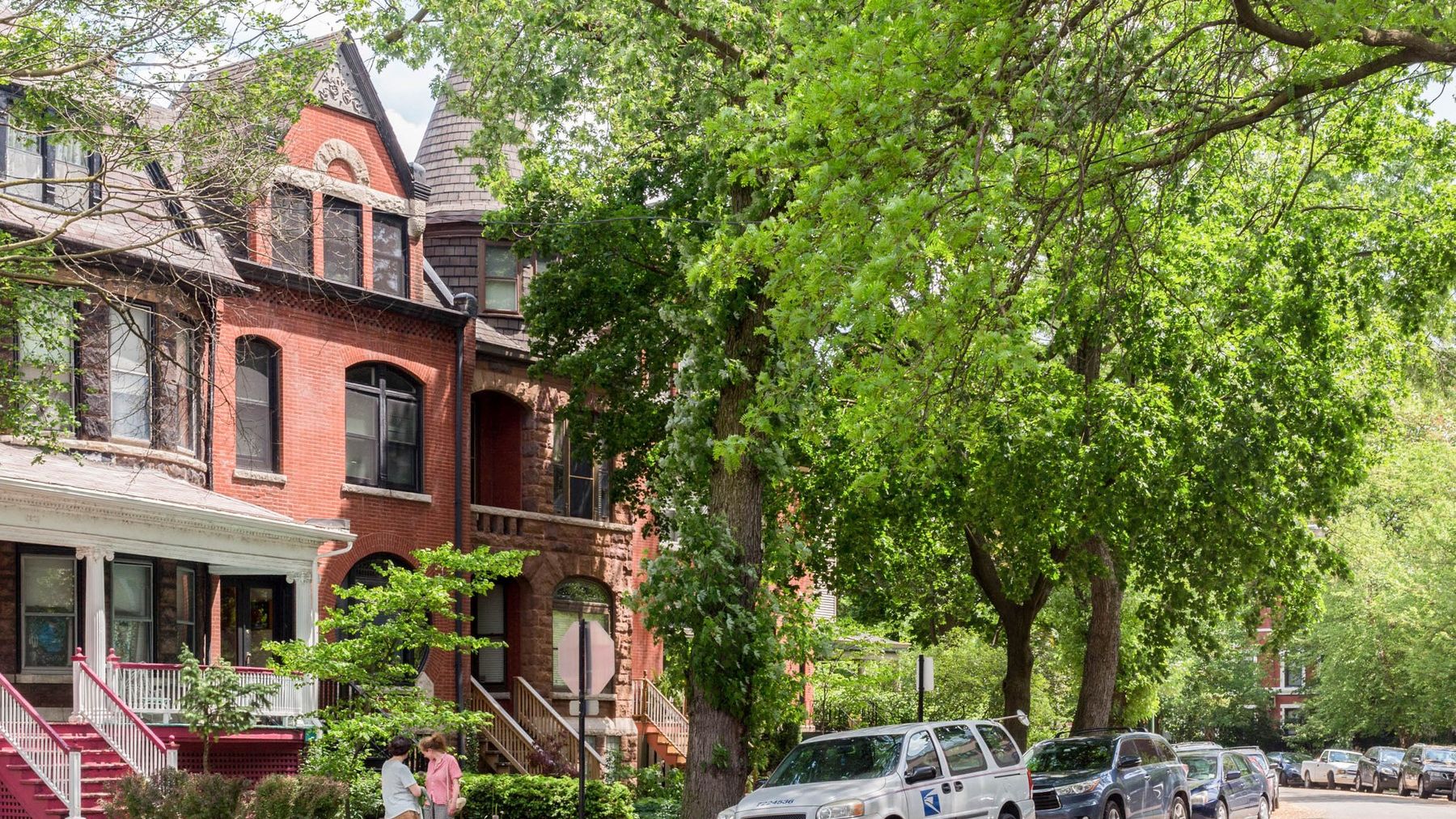
Hyde Park is a South Side neighborhood located approximately seven miles south of downtown Chicago. It is bounded by 47th Street to the north, 59th Street to the south, Washington Park to the west, and Lake Michigan to the east. Long associated with education, architecture, and civic life, Hyde Park has played an outsized role in Chicago’s intellectual and cultural history.
Trivia Question:
Which architect designed the Frederick C. Robie House, one of Hyde Park’s most significant landmarks?
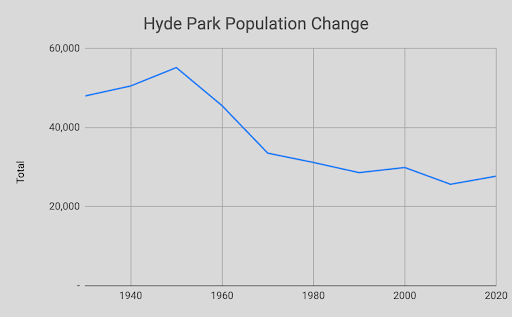
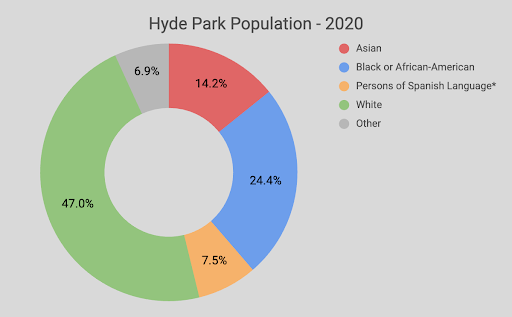
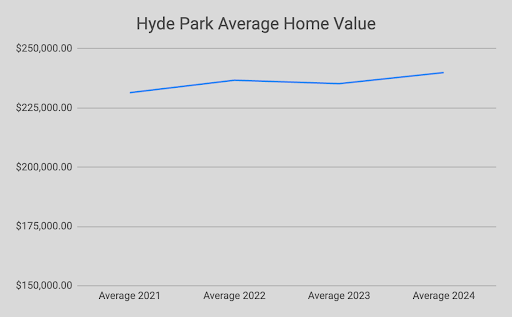
Hyde Park by the Numbers
Early Landscape and Settlement
Before urban development, the land that became Hyde Park consisted of open prairie and lakeshore terrain. The area attracted early interest because of its proximity to Lake Michigan and its location along routes connecting Chicago to the southern hinterlands. European settlement began in earnest in the mid-19th century as Chicago expanded beyond its original core.
Hyde Park Township was formed in 1861 and at the time covered a large portion of what is now the South Side. The neighborhood itself began to take shape as developers subdivided land for residential use, marketing the area to middle- and upper-middle-class families seeking space and access to the lake.
Annexation and Urban Growth
Hyde Park was annexed by the City of Chicago in 1889. Annexation brought municipal services and accelerated development, particularly as new transportation links made the neighborhood more accessible. By the late 19th century, Hyde Park had emerged as one of the city’s most prominent residential districts.
Growth during this period was influenced by large-scale planning efforts and civic investment. Wide streets, parks, and lakefront access helped distinguish Hyde Park from denser industrial neighborhoods to the north and west.
The University of Chicago and Institutional Influence
The founding of the University of Chicago in 1890 marked a turning point in the neighborhood’s history. Backed by funding from John D. Rockefeller, the university quickly became one of the nation’s leading academic institutions. Its Gothic-style campus reshaped the physical and social landscape of Hyde Park.
The university attracted scholars, students, and professionals from around the world, anchoring the neighborhood’s identity as a center of learning and research. Its presence also influenced housing patterns, commercial development, and civic engagement, effects that continue today.
Architecture and Historic Landmarks
Hyde Park contains some of Chicago’s most significant architectural landmarks. The Frederick C. Robie House, completed in 1910, is widely regarded as a masterwork of early modern residential design. Nearby, additional Frank Lloyd Wright structures and other historic homes reflect the neighborhood’s role in architectural innovation.
The Museum of Science and Industry, located on the eastern edge of the neighborhood, occupies the former Palace of Fine Arts from the 1893 World’s Columbian Exposition. It is one of the largest science museums in the world and a major cultural institution serving both the neighborhood and the city.
Parks and public spaces also play a central role. Promontory Point, extending into Lake Michigan, has long been a gathering place for residents and visitors. While the 1893 World’s Fair took place primarily in adjacent Jackson Park, its legacy continues to shape the surrounding area, including Hyde Park.
Famous Residents
Louis Farrakhan - famously associated with Chicago's Hyde Park neighborhood because he resides in the former mansion of Nation of Islam (NOI) founder Elijah Muhammad, located at 49th Street and Woodlawn Avenue, a significant historical spot for the organization. Farrakhan has lived in this home for decades, hosting events and serving as a central figure in the community, making it synonymous with his leadership and the NOI's presence in Chicago.
Muhammed Ali - The undisputed champion from 1974 to 1978, lived in a large brick mansion at 49th and Woodlawn for many years, moving here to be close to his mentor Elijah Muhammad at the Nation of Islam.
Chaka Khan - lived in Chicago's Hyde Park, where she grew up, attended schools like Kenwood Academy, and joined the Black Panther Party. There are honorary street signs celebrating her legacy there, including "Chaka Khan Way" near her alma mater.
Demographic Change and Community Life
Hyde Park has experienced significant demographic change over time. In the early 20th century, it was largely white and affluent. Beginning in the mid-20th century, the neighborhood became more racially and economically diverse, shaped in part by deliberate efforts to promote integration.
Hyde Park became known for resisting segregationist housing practices during an era when many neighborhoods experienced rapid racial turnover. Community organizations, university leadership, and residents played active roles in supporting integration and maintaining a mixed-income population.
Housing and the Built Environment
The neighborhood’s housing stock includes a mix of apartment buildings, single-family homes, and historic mansions. Many structures date from the late 19th and early 20th centuries, reflecting periods of rapid growth tied to annexation and institutional expansion.
Large apartment buildings along the lakefront contrast with lower-density residential streets further west. This diversity of housing has supported a broad range of residents, including students, faculty, families, and long-term homeowners.
Transportation and Connectivity
Hyde Park has long been shaped by transportation access. The neighborhood is served by Metra Electric stations, multiple CTA bus routes, and major thoroughfares such as Lake Shore Drive. These connections have reinforced its role as both a residential community and a destination.
Proximity to the lakefront also shapes daily life, providing recreational space and visual connection to the city’s natural landscape.
Hyde Park Today
Today, Hyde Park remains one of Chicago’s most distinctive neighborhoods. The University of Chicago continues to exert significant influence, while cultural institutions, parks, and historic architecture contribute to a strong sense of place.
The neighborhood faces ongoing challenges related to affordability, development pressure, and balancing institutional growth with residential needs. At the same time, its long-standing commitment to civic life and diversity continues to define its character.
Why Hyde Park Matters
Hyde Park offers a clear example of how education, architecture, and intentional planning can shape a neighborhood over time. Its history reflects broader themes in Chicago’s development, including annexation, integration, and the role of institutions in urban life.
Trivia Answer
The Frederick C. Robie House in Hyde Park was designed by Frank Lloyd Wright.
Stay connected with news and updates!
Join our mailing list to receive the latest news and updates from our team.
Don't worry, your information will not be shared.
We hate SPAM. We will never sell your information, for any reason.
