
How a 20-Year-Old From Chicago Shifted the Sound of Funk
Dec 04, 2025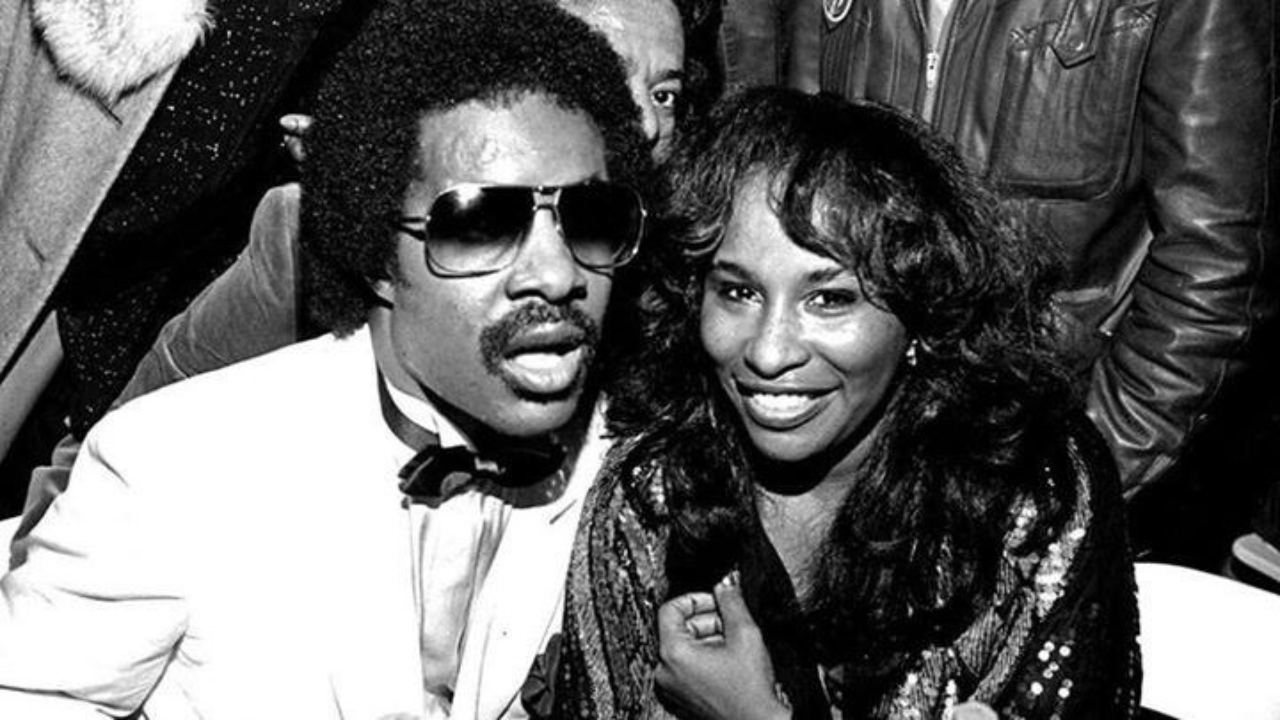
She was 20 years old, and she looked Stevie Wonder in the eye and said, "I don't like it. What else you got?" Then he asked her zodiac sign—and wrote her a song that changed music history.
Quantum Studios, Torrance, California.
Rufus was recording their second album. They were a Chicago funk band trying to break through—talented, hungry, but still searching for that one song that would make the world pay attention.
Their producer arranged for Stevie Wonder to visit the studio. Stevie Wonder. At the height of his powers. Fresh off Innervisions and Fulfillment's First Finale. One of the biggest names in music.
He came bearing a gift: a song he'd written called "Come and Get This Stuff."
The band was thrilled. This was Stevie Wonder offering them a song. You don't say no to Stevie Wonder.
Except Chaka Khan did.
The Audacity
Chaka Khan was 20 years old. She'd only been Rufus's lead singer for two years, recruited to replace the previous vocalist. She was young, she was pregnant, and according to her own telling, she was "a little prickly" that day.
Wonder played the song.
Khan listened.
And then she said: "I don't like it. What else you got?"
The room went silent. Her bandmates were stunned. You don't tell Stevie Wonder you don't like his song.
But Wonder didn't get offended. Instead, he got curious.
"What's your birth sign?" he asked.
"Aries," Khan replied.
Wonder smiled. "Oh, I got something for you."
And he played "Tell Me Something Good."
This Time, She Loved It
Khan heard the opening bars and knew immediately—this was the one.
They worked it out together right there in the studio. When Khan started singing it in her own key, Wonder stopped the session abruptly. He guided her to sing it the way he'd written it.
Khan recorded her vocal in one take.
The next day, the rest of the band laid down their track. Guitarist Tony Maiden added the talk box effect that would become the song's signature sound—that wobbling, almost-vocal guitar that makes your whole body move.
"Tell Me Something Good" was released in June 1974.
It peaked at #3 on the Billboard Hot 100.
It went Gold.
It won Rufus their first Grammy Award.
It sold over a million copies.
And it introduced the world to a voice they'd never forget.
The Voice That Couldn't Be Contained
Chaka Khan's voice on "Tell Me Something Good" was unlike anything on the radio.
It wasn't polished. It wasn't safe. It was raw, powerful, dangerous in the best way—gospel fire mixed with street soul, wrapped in pure funk.
When she sang, you didn't just hear it. You felt it.
The success of the song changed everything. But it also created a problem: Khan's star was rising faster than Rufus could keep up with.
For their next album, the billing changed to "Rufus featuring Chaka Khan."
Khan's name got bigger on every album cover. Photographers wanted her in front. Interviewers asked for her. The label marketed her face.
The band, understandably, started to fracture. They'd been a group. Now they were becoming Chaka Khan's backing band, whether anyone wanted to admit it or not.
Tensions grew. Fights broke out—sometimes literally. Drummer Andre Fischer clashed with Khan repeatedly. During one Ask Rufus recording session, Fischer got into a physical altercation with Khan's husband, and Khan jumped in to defend him.
But they kept making music. Kept having hits.
"Sweet Thing." "Once You Get Started." "At Midnight (My Love Will Lift You Up)." "Ain't Nobody."
Every song showcased that voice—the one that could go from a whisper to a roar in a single breath, that could make you dance and cry in the same three minutes.
Going Solo
By 1978, Khan was ready to leave Rufus.
She released her first solo album, Chaka, and it was clear she didn't need the band anymore. But she was still contractually obligated to Rufus, so she went back and forth—solo albums, Rufus albums, solo albums—until the band finally dissolved in the early 1980s.
In 1978, Khan recorded "I'm Every Woman," written by Ashford & Simpson.
It became an anthem. A declaration. A celebration of Black womanhood that transcended any single genre or generation.
And in 1993, Whitney Houston covered it for The Bodyguard soundtrack, introducing the song to a whole new audience.
Khan didn't fight it. She celebrated it. Both versions could exist—Khan's funky, grounded original and Houston's soaring, pop-gospel reimagining.
The Legacy
Chaka Khan has won 10 Grammy Awards.
She's been inducted into the Rock and Roll Hall of Fame.
Her voice has been sampled by everyone from Kanye West to Mary J. Blige.
She influenced generations of singers—from Whitney to Mariah to Beyoncé—who studied her runs, her power, her fearlessness.
But the story that matters most might be the one from that studio in 1974.
A 20-year-old woman, pregnant and prickly, who had the audacity to tell Stevie Wonder she didn't like his song.
Who trusted her instincts even when everyone else in the room thought she was crazy.
Who sang with such conviction that she recorded the vocal that would launch her career in a single take.
Chaka Khan didn't become a legend because she was polite or easy or willing to shrink herself to make others comfortable.
She became a legend because she knew what she wanted, demanded what she deserved, and sang like her life depended on it.
Sometimes the most revolutionary thing you can do is say "no" to something that doesn't feel right—even if the person offering it is Stevie Wonder.
And then, when the right song comes along, you sing it so powerfully that the whole world has to listen.
That's what Chaka Khan did in 1974.
And we're still listening.
#ChakaKhan #TellMeSomethingGood
~Unusual Tales
Stay connected with news and updates!
Join our mailing list to receive the latest news and updates from our team.
Don't worry, your information will not be shared.
We hate SPAM. We will never sell your information, for any reason.
