
HIDDEN IN PLAIN SIGHT: LA'S FOUNDING NAMES - Part 1
Jul 30, 2026The Woman Who Owned Rodeo Drive Before Rodeo Drive Existed
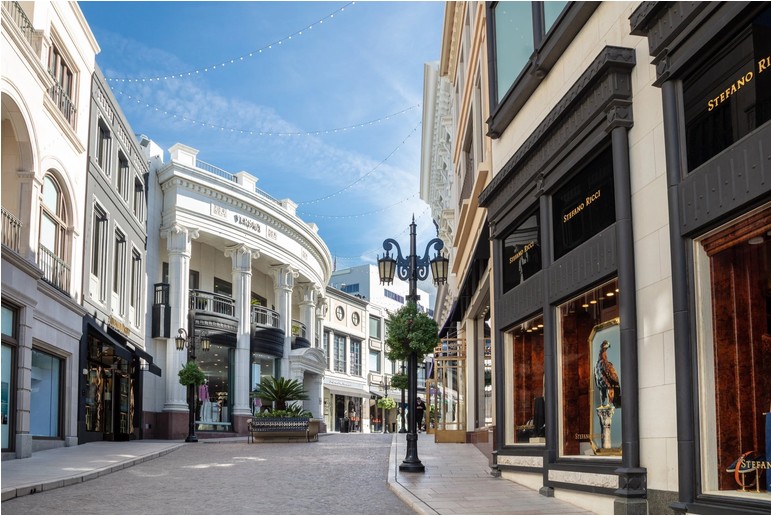
Before the boutiques and the bumper-to-bumper luxury cars, Rodeo Drive was a working cattle ranch — deeded to an Afro-Latina widow named María Rita Valdez in 1838.
Walk down Rodeo Drive today and you're walking through a name nobody bothers to explain. It just sounds expensive. Rodeo. Three syllables that have come to mean red carpets, valet stands, and price tags with more zeros than most people's rent. But the name didn't start there, and it definitely didn't start with anybody in a designer storefront.
It started with a woman named María Rita Valdez de Villa.
In 1838, Valdez — the daughter of a Spanish soldier and a mother of mixed African, Indigenous, and European descent — was granted the deed to more than 4,500 acres stretching across what's now Beverly Hills. Her mother, by several historical accounts, was the daughter of one of the 44 original settlers who founded the pueblo of Los Angeles back in 1781, a founding population that was overwhelmingly Black, mestizo, and mulatto — not the Spanish colonial fantasy most people picture when they hear "old California."
Valdez called her land Rancho Rodeo de las Aguas — "the gathering of the waters," a Spanish translation of what the Tongva people who lived there had called the site for generations, long before it had a Spanish name at all. It wasn't a resort. It was a cattle operation. Valdez built two adobe homes near what's now Sunset Boulevard and Alpine Drive and ran the ranch herself after her husband, a Spanish soldier, died and left her a widow with a household to keep.
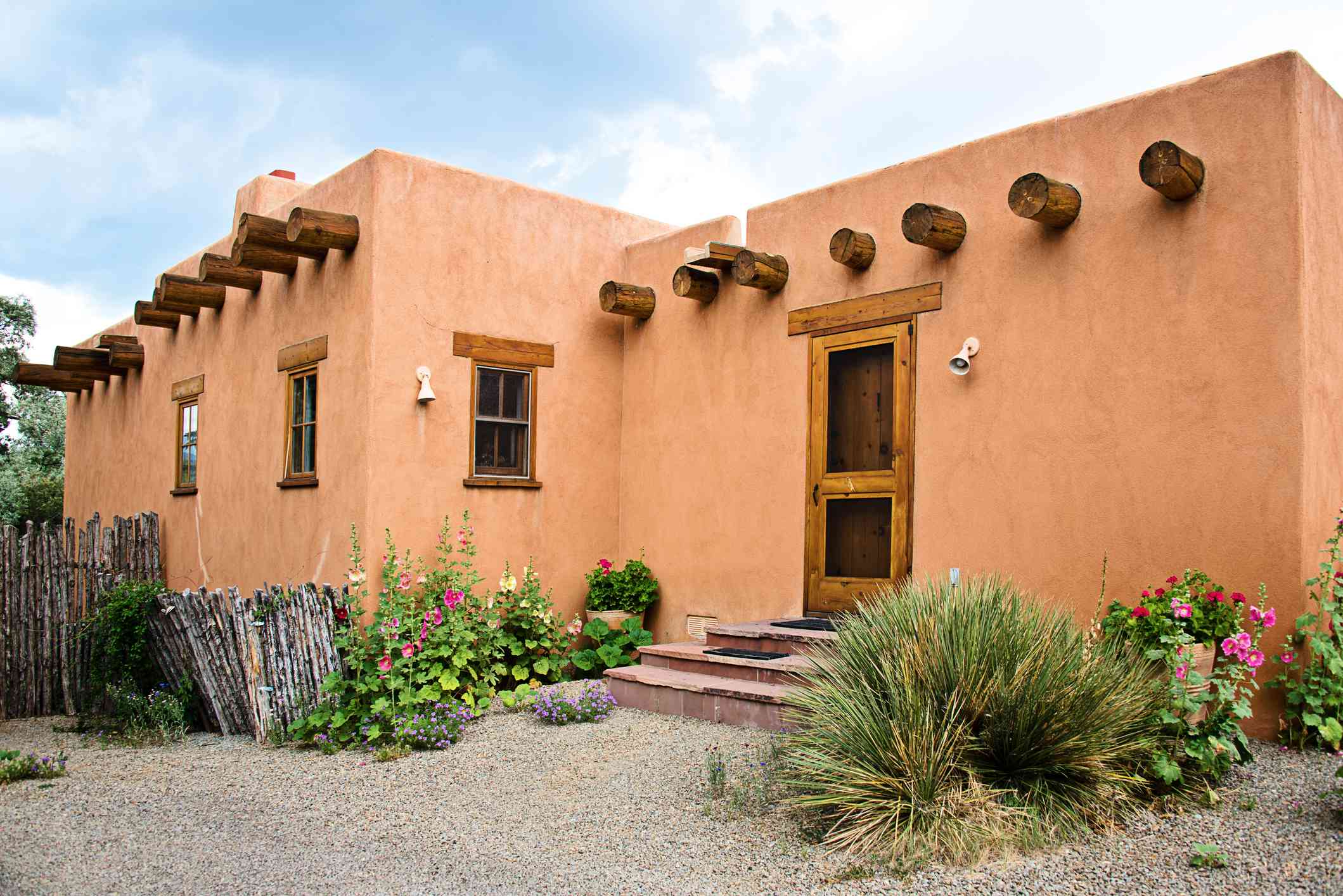
Running thousands of acres alone, in a territory shifting hands between Spain, Mexico, and eventually the United States, was not easy work, and it wasn't romantic. By 1854, with the demands of the land outpacing what one widow could manage, Valdez sold the rancho to Benjamin D. Wilson and Henry Hancock for $4,000. She died that same year.
The land changed hands several more times after that. In 1900, Burton Green and a group of investors bought the property, drilled a series of unsuccessful oil wells, and eventually gave up on oil in favor of real estate. In 1906, they reorganized as the Rodeo Land and Water Company — taking the name straight from Valdez's old rancho — and by 1912 they'd built the Beverly Hills Hotel on the exact spot where her adobe home once stood.
Nobody asked her permission for any of that, obviously. She'd been dead for decades. But it's worth sitting with the fact that the entire economic engine of Beverly Hills — the hotel, the boulevard, the name people now associate with old Hollywood glamour — sits on top of a name that belonged first to an Afro-Latina rancher who never saw a dime of what came after.
This is the story underneath most California place names, if you're willing to look. Spanish colonial California wasn't white in the way Hollywood has trained people to imagine it. The Anza expedition that brought the first settlers north into California in the 1770s was, by multiple historical accounts, made up largely of people of African, Indigenous, and mixed ancestry. Valdez's family was part of that founding population. So was her land grant. So, eventually, was the name on one of the most photographed streets on Earth.
None of this makes Rodeo Drive "secretly Black history" in some gotcha sense. It makes it what it actually is: Los Angeles history, full stop, minus the parts that got edited out because they were inconvenient to the story Beverly Hills wanted to tell about itself.
Next week: Pico Boulevard — the Los Angeles thoroughfare named for California's last governor under Mexican rule, a man historians describe as Afro-Mexican. Same city. Same erasure. Different name.
Stay connected with news and updates!
Join our mailing list to receive the latest news and updates from our team.
Don't worry, your information will not be shared.
We hate SPAM. We will never sell your information, for any reason.
