
Englewood: The Crossroads of the South Side
Feb 04, 2026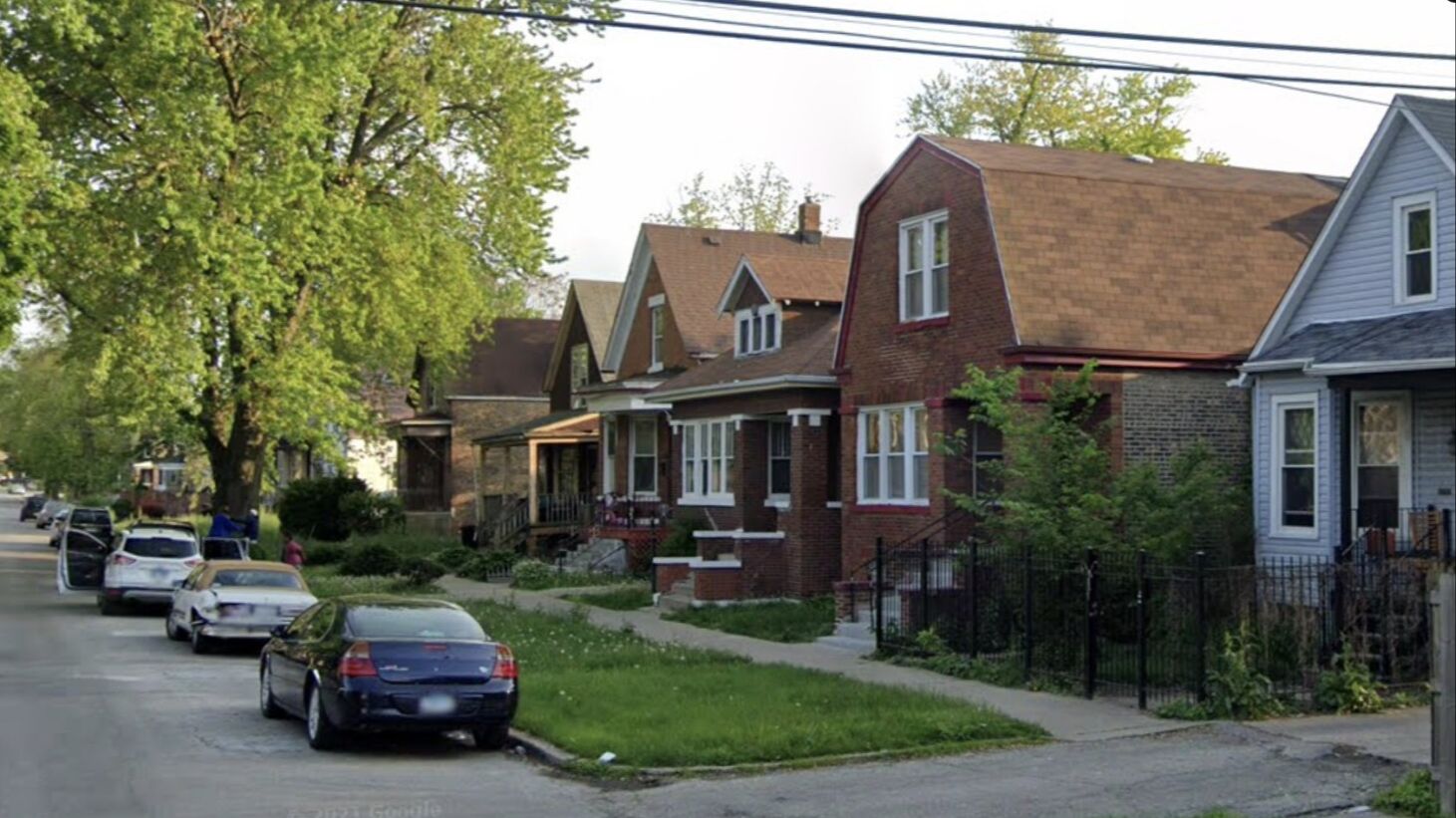
Englewood is a South Side neighborhood located about seven miles south of downtown Chicago. It is bounded by 59th Street to the north, 75th Street to the south, Racine Avenue to the west, and State Street to the east. Once one of the city’s busiest commercial and transportation hubs, Englewood’s history reflects the rise and decline of rail-centered neighborhoods and the long-term effects of economic restructuring in Chicago.
Trivia Question:
Which NBA star and former league MVP grew up in Englewood and often played basketball at Murray Park before rising to national prominence?
Englewood by the Numbers
Early Landscape and Settlement
Before urban development, the land that became Englewood consisted of open prairie and farmland. Early settlement in the mid-19th century was limited, with scattered farms supplying food to the growing city. The area’s transformation began with the arrival of railroads, which reshaped land use and set the stage for rapid growth.
The extension of rail lines through Englewood in the 1850s and 1860s made the area a key transportation junction. This access would prove central to its emergence as a residential and commercial center in the decades that followed.
Railroads and the Birth of Englewood
Englewood’s growth accelerated after the Civil War as multiple railroads converged near what is now 63rd Street. The neighborhood developed around these rail corridors, attracting residents, businesses, and institutions that relied on rail access.
By the late 19th century, Englewood had become a major commuter hub. Streetcars and elevated rail lines connected the neighborhood to downtown Chicago and surrounding areas. This accessibility drove population growth and supported the development of dense commercial corridors and gave the neighborhood its early nickname of Junction Grove.
Annexation and Early Growth
Englewood was annexed by the City of Chicago in 1889 as part of the incorporation of surrounding townships. Annexation brought municipal services and further accelerated development. By the turn of the 20th century, Englewood was one of Chicago’s most populous neighborhoods.
Commercial activity concentrated along 63rd Street, which became a major retail destination. The neighborhood supported theaters, department stores, restaurants, and banks, serving residents from across the South Side.
The Englewood Shopping Center and Commercial Peak
Englewood reached its commercial peak in the early to mid-20th century. The Englewood Shopping Center, anchored along 63rd Street, emerged as a regional destination. At its height, it was widely regarded as one of the largest shopping districts in the country outside of downtown Chicago.
Major retailers operated alongside locally owned businesses, and the area bustled with shoppers and commuters. The strength of Englewood’s commercial core reflected its role as a transportation crossroads and residential center.
Demographic Change and Economic Decline
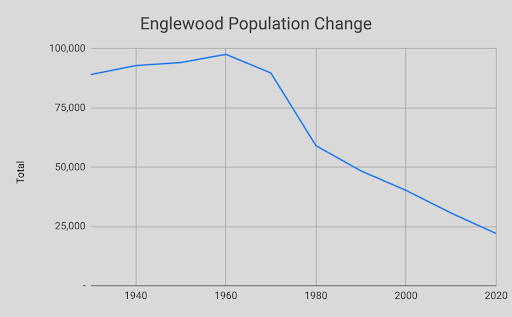
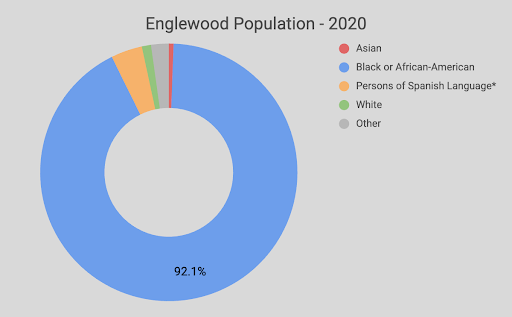
Following World War II, Englewood began to experience significant demographic and economic change. As Black families moved into the neighborhood during the Great Migration, many white residents relocated to other parts of the city or suburbs. These shifts occurred alongside broader trends of deindustrialization and retail decentralization.
The decline of rail travel, suburban shopping centers, and disinvestment in urban retail corridors hit Englewood particularly hard. Businesses closed, population declined, and vacant properties increased. By the late 20th century, the neighborhood had lost much of its former commercial base.
Housing and the Built Environment
Englewood’s housing stock consists largely of brick two-flats, greystones, and single-family homes built between the late 19th and early 20th centuries. Many structures reflect the neighborhood’s period of rapid growth and were designed to house working- and middle-class families.
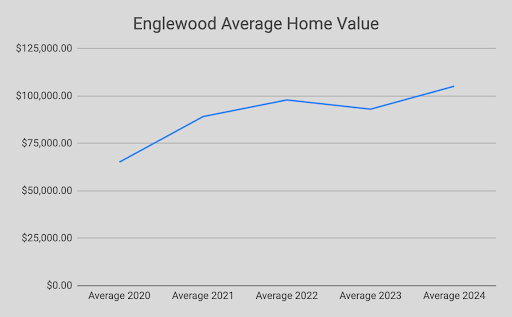
Population loss and disinvestment led to widespread vacancy and demolition, altering the neighborhood’s physical landscape. Large tracts of land that once held homes and businesses now remain vacant, presenting both challenges and opportunities for redevelopment. Post-pandemic average home values have been on the rise.
Community Institutions and Landmarks
Despite decades of decline, Englewood has retained important civic and cultural institutions. Churches, schools, and community organizations have continued to serve residents and advocate for reinvestment.
Recent years have seen targeted efforts to rebuild around institutions such as Englewood Square, a mixed-use development near 63rd and Halsted that brought grocery retail and healthcare services back to the area. These projects reflect a shift toward community-driven redevelopment.
Transportation and Connectivity
Englewood remains well connected by transit. The neighborhood is served by the CTA Green Line and multiple bus routes, with major corridors along Halsted Street and 63rd Street. These connections continue to shape daily life and redevelopment strategies.
Its central location on the South Side positions Englewood as a potential hub for future investment, despite longstanding challenges.
Englewood Today
Today, Englewood faces persistent issues related to population loss, vacancy, and economic opportunity. At the same time, residents, local organizations, and city agencies continue to pursue redevelopment strategies focused on housing, retail, and community services.
The neighborhood’s history as a transportation and commercial center remains a reference point for these efforts, informing plans for a more sustainable future.
Why Englewood Matters
Englewood’s story illustrates the consequences of economic change, policy decisions, and shifting transportation patterns in American cities. Its rise and decline provide important context for understanding urban inequality and the long-term impact of disinvestment.
As Chicago continues to rethink development on the South Side, Englewood remains central to those conversations.
Trivia Answer
Derrick Rose grew up near 73rd Street and Wolcott Avenue in Englewood and developed his game on neighborhood courts before starring at Simeon Career Academy. In 2011, he became the youngest MVP in NBA history.
Stay connected with news and updates!
Join our mailing list to receive the latest news and updates from our team.
Don't worry, your information will not be shared.
We hate SPAM. We will never sell your information, for any reason.
