
Do Protests Still Work? The Avelo Airlines Boycott Gave a Clear Answer
Jan 21, 2026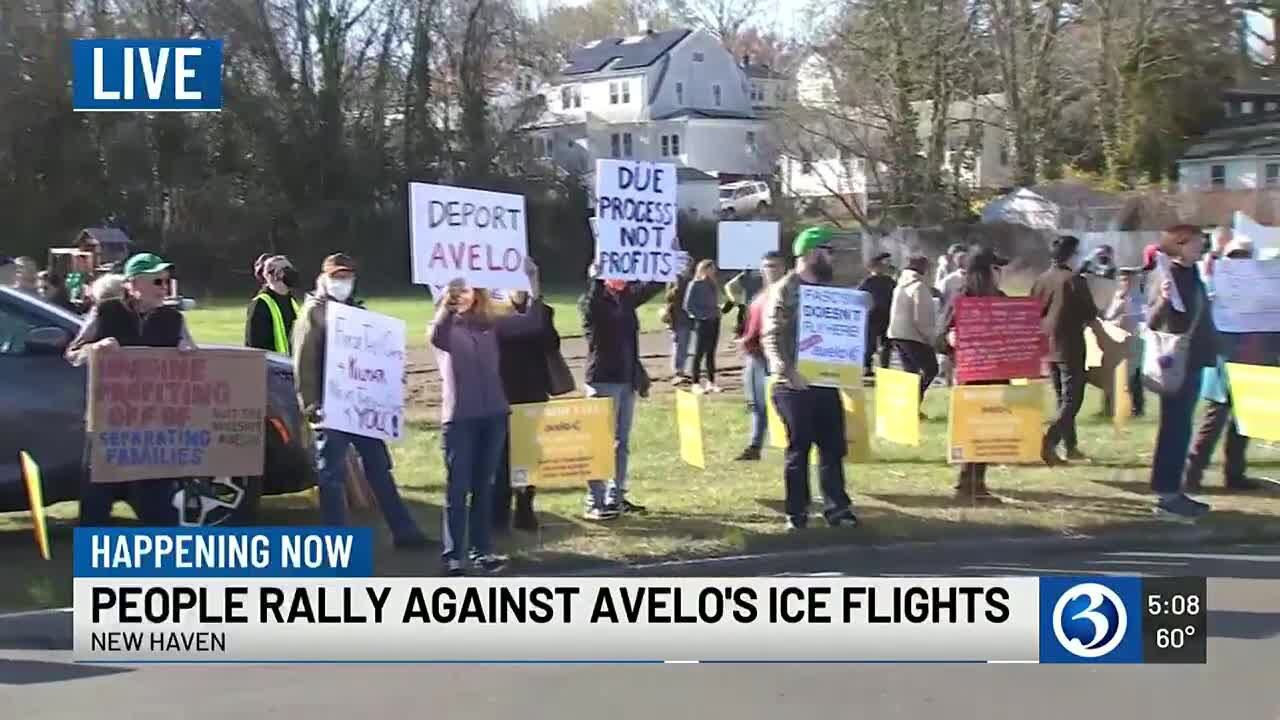
“Those protests won’t do anything.”
“That protest stuff is over. It don’t work anymore.”
“These are different times.”
You usually hear those statements from people who have never organized, demonstrated, or put their bodies and voices on the line to test whether protest works or not. It is easy to dismiss protest from the sidelines. It is much harder to deny its impact when people commit to it, sustain it, and aim it strategically.
One of the most powerful tools Americans still possess is the freedom of speech. That freedom includes the right to protest, to gather in large numbers, and to publicly express disagreement with government actions and private companies that choose to support them. Protest is not just noise. When done properly, it is pressure.
Recently, that pressure was directed at Avelo Airlines, an ultra low-cost airline headquartered in Houston, Texas. Avelo became one of the primary commercial carriers used by the federal government to conduct deportation flights. These were not routine passenger routes. They were charter flights moving detained immigrants out of the country, often quietly and with little public attention.
What many Americans did not realize at first was that Avelo was not simply complying with a legal obligation. The airline voluntarily entered into contracts that made deportation a significant part of its business model. These flights generated steady government revenue, but they also tied the company directly to a system many believe is inhumane, opaque, and racially and economically unjust.
Once that connection became widely known, community organizers, immigrant rights groups, faith leaders, labor advocates, and everyday citizens began to act. Protests were organized in multiple cities. Demonstrators showed up at airports where Avelo operated. Others targeted the company’s headquarters, executives, and investors. Social media campaigns amplified the message, connecting local actions into a national narrative.
This was not a one-week outrage cycle. The protests continued for months.
Activists educated the public about how deportation flights operate and why private corporations profit from them. They called on consumers to boycott the airline. They pressured local governments and airport authorities to question their partnerships. They demanded accountability from Avelo’s leadership, making it clear that doing business as usual would come with reputational and financial consequences.
Over time, the impact became impossible to ignore.
Avelo faced sustained negative press. Its brand, which depended on being seen as affordable and community friendly, became associated with deportation and family separation. Airports and municipalities began to receive complaints. The company was forced to respond publicly, something it had initially avoided.
And then, quietly but definitively, the pressure worked.
In the last several days, Avelo announced it would no longer operate deportation flights under its government contract. After months of resistance, the airline backed away from the business entirely. No rebranding campaign could have accomplished what sustained public protest did. The company made a cost-benefit decision and determined that the backlash was no longer worth the revenue.
That is what protest looks like when it works.
It is not instant. It is not always dramatic. It requires people who are willing to stay engaged long after the cameras leave. It requires coordination, clarity of purpose, and a refusal to be distracted by those who insist that resistance is outdated or ineffective.
This moment is a reminder that protest is not symbolic. It is practical. It changes behavior. It forces corporations and institutions to reckon with the public they depend on.
Protest works when people believe their voices matter enough to use them. It works when participation is consistent, informed, and collective. And it works when we remember that rights only remain powerful if we are willing to exercise them.
These may be different times. But the lesson is the same. When people organize and refuse to accept injustice as inevitable, change follows.
Stay connected with news and updates!
Join our mailing list to receive the latest news and updates from our team.
Don't worry, your information will not be shared.
We hate SPAM. We will never sell your information, for any reason.
