
Chicago Lawn: Transition From Streetcar Suburb to Heart of the Southwest Side
Feb 25, 2026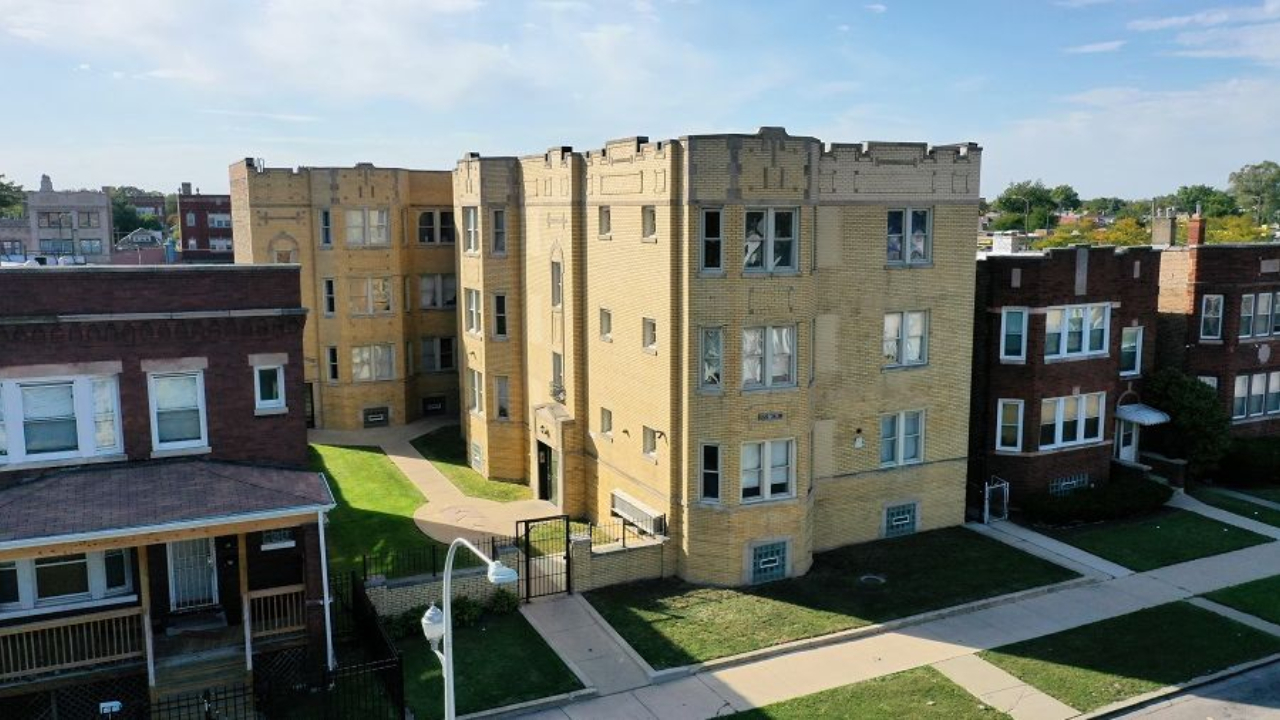
Chicago Lawn sits on the Southwest Side of the city, about eight miles from the Loop. It is bounded by 59th Street to the north, 75th Street to the south, Kedzie Avenue to the east, and Cicero Avenue to the west. Within the neighborhood are long residential blocks, busy commercial corridors, and Marquette Park, one of the largest green spaces on the Southwest Side.
Chicago Lawn’s history reflects Chicago’s broader development pattern. It began as open prairie and farmland, grew into a streetcar suburb during the bungalow boom, and later became one of the city’s most diverse communities.
Trivia Question
Which nationally known civil rights leader led a march through Marquette Park in the Chicago Lawn neighborhood in 1966 to protest housing segregation?
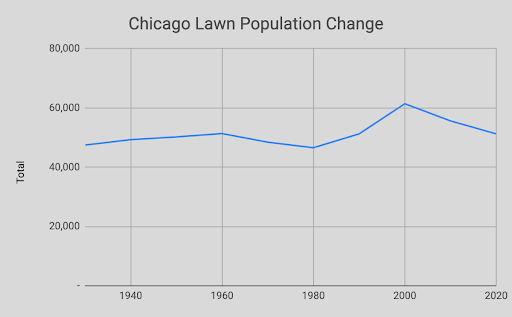
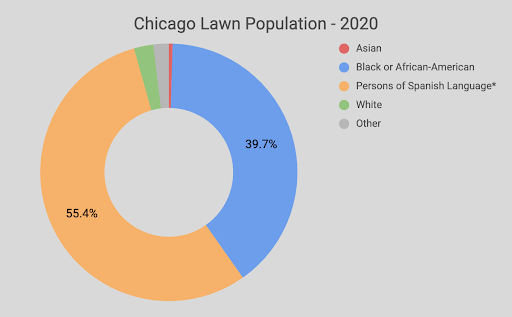
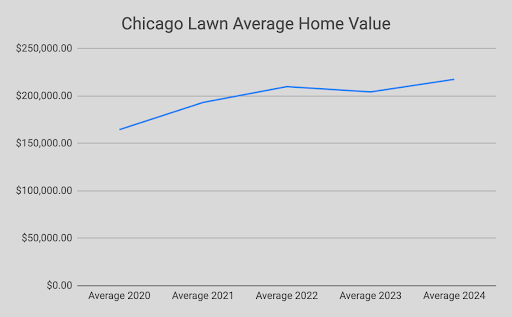
Chicago Lawn by the Numbers
Early Land and Settlement
Before annexation, the land that became Chicago Lawn was part of Lake Township. In the mid nineteenth century, it consisted largely of farmland owned by European immigrant families, many of them German and Irish.
The area remained rural longer than neighborhoods closer to downtown. Development accelerated in the late nineteenth century as Chicago expanded and transportation improved. When Chicago annexed Lake Township in 1889, municipal services such as paved streets and water lines followed.
Even with annexation, large sections remained undeveloped prairie well into the early 1900s.
The Role of Marquette Park
Marquette Park became the defining feature of the neighborhood. The park was acquired and developed by the South Park Commission in the late nineteenth century and named after French explorer Jacques Marquette.
Designed by landscape architects influenced by the Prairie School movement, the park includes lagoons, athletic fields, a fieldhouse, and open lawns. Its scale shaped nearby residential development, attracting families who wanted proximity to green space.
Housing construction increased rapidly in the 1910s and 1920s as streetcar lines along 63rd Street and other corridors connected the area to jobs in industrial zones and downtown.
The Bungalow Belt
Chicago Lawn is part of the city’s bungalow belt. Between 1910 and 1930, thousands of brick bungalows were built across the Southwest Side. These homes were marketed to working class families who sought stable, affordable homeownership.
The neighborhood’s housing stock still reflects this period. Rows of brick bungalows, two flats, and modest apartment buildings dominate its residential streets. The uniformity of scale gives the area a consistent architectural identity.
Mid Century Stability
For much of the mid twentieth century, Chicago Lawn was predominantly white and ethnically European. Many residents were descendants of earlier immigrants who worked in nearby factories, rail yards, or the stockyards.
Local parishes, schools, and neighborhood businesses anchored daily life. Commercial strips along 63rd Street and Kedzie Avenue supported grocery stores, bakeries, and small retailers.
The 1966 Civil Rights Marches
Chicago Lawn became nationally known during the Chicago Freedom Movement in 1966. Civil rights activists led marches into all white neighborhoods on the Southwest Side to protest discriminatory housing practices.
One of the most widely covered marches occurred in Marquette Park, where demonstrators were met with hostility from white residents. The events highlighted the intensity of segregation in Chicago and drew national attention to housing discrimination in northern cities.
These protests remain a pivotal chapter in the neighborhood’s history.
Demographic Transformation
Beginning in the late twentieth century, Chicago Lawn underwent significant demographic change. As many white residents moved to suburban areas, African American families began moving into the neighborhood in greater numbers.
By the 1990s and 2000s, Latino families, particularly immigrants from Mexico and Central America, also established strong roots in the area. Today, Chicago Lawn is one of the more diverse neighborhoods on the Southwest Side.
Commercial corridors reflect this diversity, with restaurants, grocery stores, and businesses representing multiple cultural communities.
Chicago Lawn Today
Chicago Lawn remains primarily residential, with modest density and relatively consistent housing types. While some blocks have experienced vacancy and disinvestment, many streets retain high levels of homeownership.
Marquette Park continues to serve as a central gathering space. Youth sports leagues, community events, and daily recreational use keep the park active.
The neighborhood’s long history of adaptation is evident in its streets. What began as farmland became a bungalow suburb. That suburb later became a center of national civil rights conflict. Today, it is a multicultural residential community continuing to evolve.
Chicago Lawn’s story mirrors the larger story of Chicago itself: growth, conflict, migration, and reinvention.
Trivia Answer
The civil rights leader who led a march through Marquette Park in 1966 was Martin Luther King Jr. who had moved with his wife Coretta, and their children to a third-floor apartment at 1550 South Hamlin Avenue in Chicago’s North Lawndale neighborhood the same year.
Stay connected with news and updates!
Join our mailing list to receive the latest news and updates from our team.
Don't worry, your information will not be shared.
We hate SPAM. We will never sell your information, for any reason.
